If you want to lower blood sugar naturally, a handful of everyday lifestyle changes make the biggest difference. Here are six that research supports.
Quick answer: The most reliable ways to lower blood sugar naturally are regular exercise, losing even 5 to 7% of body weight, cutting back on calories and fast-absorbing carbs, and eating more fiber-rich plant foods. Some supplements, such as berberine and cinnamon, have also been studied for supporting healthy blood sugar. These habits work best together, and anyone who takes blood sugar medication should make changes with their doctor.
In the US, about 4 in 10 adults are living with obesity. Data also shows that about 12% of Americans have diabetes, and more than 115 million adults have prediabetes. This is alarming, as metabolic disorders considerably increase the risk of various complications.
Most people with high blood sugar levels have insulin resistance or impaired glucose tolerance. Fortunately, studies show that blood sugar can often be improved, and some people with type 2 diabetes even reach remission, with the help of non-drug approaches. Women have a few risk points of their own, from pregnancy to the years around menopause; our guide to insulin resistance in women covers the signs and which tests to ask your provider about.
Here are some of the most effective ways of lowering blood sugar levels naturally:
1. Regular Exercise
Exercise means higher calorie expenditure. However, it is worth understanding that exercise is not only for lowering blood sugar levels or body weight. Exercise has a range of other benefits. For example, it is good for heart and lung health and may even lower the risk of dementia.
The American Heart Association recommends at least 150 minutes of moderate-intensity exercise a week (for example, 30 minutes five days a week), plus muscle-strengthening activity on at least 2 days. Being active at least 300 minutes a week brings even more benefits (1).
2. Reduce Body Weight
Even a moderate reduction of 5-7% of body weight may help lower blood glucose levels, and the benefits tend to be greater with more weight loss.
It is vital to reduce body weight and maintain it to keep blood sugar levels in a healthy range. Over the long run, it may have numerous health benefits.
3. Eat Fewer Calories and Fewer Refined Carbs
This is one of the most important ways of lowering blood sugar levels. Weight reduction depends on reducing total calorie intake, and cutting down on refined carbs is one practical way to do it.
Studies show that very low-calorie diets, done under medical supervision, can even put type 2 diabetes into remission in some people (2). In the DiRECT trial, almost half of the people following a structured low-calorie weight management program were in remission after one year, including 86% of those who lost 15 kg or more (3). Programs like these should only be done with your doctor’s supervision, especially if you take diabetes medication.
Additionally, it is vital to pay attention to the quality of carbs. Limit fast-absorbing carbs and choose complex carbs like those in whole grains or legumes.
4. Consider a Structured Eating Pattern
Many people find it challenging to reduce total calorie intake or cut down on carbs. One option is to follow a well-known, structured eating pattern.
Here, the options are many, such as the keto diet, paleo diet, etc. However, these diets can be hard to follow. For example, the keto diet almost completely excludes carbs, which can make it hard to eat a balanced diet. Moreover, the keto diet may not be safe for people with diabetes who use insulin or certain other medications. So, a gentler approach could be to switch to a plant-based diet.
A plant-based diet is naturally lower in calories if starchy foods and added oils are kept in check. It doesn’t have to be all or nothing: a plant-based diet simply means getting most calories from grains, lentils, nuts, veggies, and fruits. Plant-based diet studies in people with type 2 diabetes have reported that some participants were able to cut back on their diabetes medication, a change that should only ever be made with your doctor (4).
Additionally, it is a good idea to eat more beans and lentils, seeds, nuts, and fermented foods like kimchi. These foods support gut health and may help support healthy blood sugar.
If you have PMOS (formerly PCOS), where insulin resistance is common, my PMOS (PCOS) diet: a 7-day insulin-friendly meal plan shows how foods like these can come together in everyday meals, and a registered dietitian or your provider can help tailor it to you.
5. Which Foods Help Lower Blood Sugar?
Lowering blood sugar does not only mean cutting foods out. Some foods contain bioactive compounds that have been studied for supporting healthy blood sugar levels.
Try to eat more cruciferous vegetables like broccoli, Brussels sprouts, cabbage, cauliflower, and collard greens. These vegetables naturally contain sulforaphane, a compound that has been studied in the lab and in animals for its effects on blood sugar and insulin resistance (5).
Okra is another wonderful vegetable that has been traditionally used in many parts of the world to support healthy blood sugar levels. It is rich in polysaccharides and flavonoids that have been studied for their blood-sugar-lowering effects. And since it is a nutritious vegetable, it is easy to enjoy often (6).
6. Regular Use of Supplements for Healthy Blood Sugar
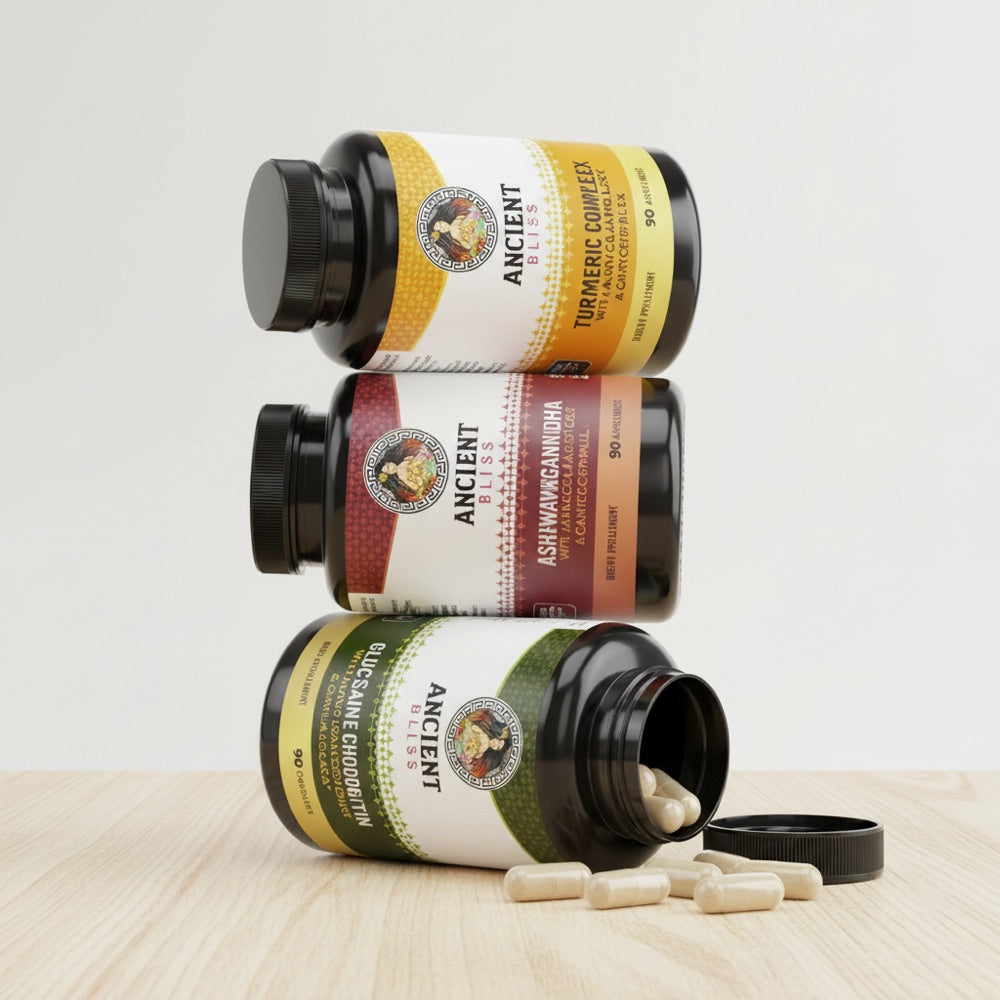
This is one of the most overlooked aspects of supporting healthy blood sugar levels. Many of these supplements are of natural origin and are generally well tolerated, though they can interact with medications. For an evidence-graded look at which ones have the strongest research, with the amounts studies used, see best supplements for blood sugar: what the research actually shows.
Take dietary fiber as an example. One way to support healthy blood sugar levels is by increasing dietary fiber intake. However, in practice, that can be quite challenging, especially for those on a low-carb diet, as dietary fiber is mostly found in carb-containing foods. Thus, a fiber supplement could be a way out.
Similarly, berberine is one of the most researched supplements for supporting healthy blood sugar levels. In a small study of adults with newly diagnosed type 2 diabetes, berberine had blood-sugar-lowering effects similar to metformin, and it also improved cholesterol and triglyceride levels (7).
A meta-analysis of fourteen clinical trials involving 1,068 people concluded that berberine had a significant blood-sugar-lowering and cholesterol-lowering effect, though the authors noted that many trials were small and of low quality (8).
Similarly, cinnamon has been used to flavor foods for centuries. It is also one of the most ancient traditional remedies for blood sugar, specifically Ceylon cinnamon (here's how Ceylon and cassia cinnamon differ). A meta-analysis of 10 clinical trials in people with type 2 diabetes found that cinnamon was linked to lower fasting blood sugar and cholesterol, though results varied between studies (9).
Finally, it is essential to understand that combining approaches tends to work best. Combine exercise, dietary changes, and, if you choose, supplements. Some people also use berberine and cinnamon together. (Learn more in 4 herbs and supplements studied for type 2 diabetes.)
Keep reading: Berberine Dosage: How Much to Take, When, and What to Expect, Berberine vs. Inositol: Which One (or Both)? and Apple Cider Vinegar Pills: Benefits, Capsules vs Liquid, and What Research Shows
Frequently Asked Questions
How quickly can lifestyle changes lower blood sugar?
Some changes work fast: a single bout of exercise helps your muscles pull glucose out of the blood for hours afterward. Longer-term markers take more time. HbA1c reflects your average blood sugar over roughly three months, so that is a realistic window for seeing the effect of diet, weight and exercise changes.
Does walking after meals help blood sugar?
Yes. Research shows that even a short walk after eating can help blunt the rise in blood sugar that follows a meal, because working muscles use glucose for fuel. It is an easy habit to add on top of the regular exercise described above.
What foods help keep blood sugar steady?
Foods rich in fiber and complex carbs, such as whole grains, beans, lentils, nuts and seeds, digest more slowly than refined carbs and sugary drinks. Cruciferous vegetables like broccoli and cabbage, okra, and fermented foods like kimchi are also worth adding, as described above.
Can I take berberine if I take medication for blood sugar?
Only with your doctor's guidance. Berberine and blood sugar medications can add to each other's effects, which may raise the risk of blood sugar dropping too low. Never stop or change your medication on your own.
What should I look for in a berberine supplement?
Look for a label that clearly states the amount of berberine per serving and the form used (berberine HCl is the form used in most studies), with no unnecessary fillers. Ancient Bliss Berberine HCl 1200mg with Ceylon Cinnamon provides 1,200 mg of berberine HCl per 2-capsule serving, plus 100 mg organic Ceylon cinnamon, 100 mg bitter melon and 50 mg green tea extract. Ancient Bliss products are third-party tested. It is herbalist-formulated.
As with any supplement, check with your healthcare provider before starting, especially if you're pregnant, nursing, or take medication. If you take medication for blood sugar, never stop or change it without talking to your doctor, since supplements can add to its effects.
References
- American Heart Association. American Heart Association Recommendations for Physical Activity in Adults and Kids.
- Juray S, Axen KV, Trasino SE. Remission of type 2 diabetes with very low-calorie diets: a narrative review. Nutrients. 2021;13(6):2086.
- Lean MEJ, Leslie WS, Barnes AC, et al. Primary care-led weight management for remission of type 2 diabetes (DiRECT): an open-label, cluster-randomised trial. Lancet. 2018;391(10120):541-551.
- Storz MA. Reduced diabetes medication needs with a plant-based diet. J Am Coll Nutr. 2020;39(6):574-577.
- Teng W, Li Y, Du M, et al. Sulforaphane prevents hepatic insulin resistance by blocking serine palmitoyltransferase 3-mediated ceramide biosynthesis. Nutrients. 2019;11(5):1185.
- Durazzo A, Lucarini M, Novellino E, et al. Abelmoschus esculentus (L.): bioactive components’ beneficial properties, focused on antidiabetic role, for sustainable health applications. Molecules. 2018;24(1):38.
- Yin J, Xing H, Ye J. Efficacy of berberine in patients with type 2 diabetes mellitus. Metabolism. 2008;57(5):712-717.
- Dong H, Wang N, Zhao L, Lu F. Berberine in the treatment of type 2 diabetes mellitus: a systemic review and meta-analysis. Evid Based Complement Alternat Med. 2012;2012:591654.
- Allen RW, Schwartzman E, Baker WL, et al. Cinnamon use in type 2 diabetes: an updated systematic review and meta-analysis. Ann Fam Med. 2013;11(5):452-459.
- Centers for Disease Control and Prevention. National Diabetes Statistics Report.