This article looks at four herbs and supplements for type 2 diabetes that researchers have studied (berberine, Ceylon cinnamon, bitter melon, and green tea extract) and how they may fit alongside, never instead of, the care plan you have with your doctor.
Diabetes is one of the most significant metabolic disorders globally. It affects about 12% of US adults. Further, statistics show that 90% of these adults live with type 2 diabetes (1).
Unlike type 1 diabetes, which is an autoimmune disease mainly treated with insulin therapy, type 2 diabetes is closely tied to lifestyle. Since type 2 diabetes is strongly linked to lifestyle and increasing insulin resistance, lifestyle changes are a big part of managing it. Herbal supplements are also being studied as a possible complement to weight loss, exercise, dietary changes, and medical care.
Additionally, the rise of prediabetes in the US is quite worrisome. It appears that another 30% of US adults are living with prediabetes. Prediabetes is borderline diabetes. It is not yet diabetes. However, if prediabetes is not managed on time, most of those living with it may progress to diabetes (1).
Prediabetes is a wake-up call. It is often not treated with medications. However, lifestyle changes can often bring blood sugar back into a healthy range, and some herbal supplements have been studied as extra support.
Thus, research on herbal supplements has focused largely on prediabetes and mild diabetes. In moderate to severe diabetes, some people use herbs alongside medications, but only with their doctor's guidance. Studies suggest certain herbs may help with insulin resistance and markers linked to diabetes-associated complications.
One should combine herbals with lifestyle interventions like exercise and dietary changes for maximum benefits. It is also worth knowing that herbs can add to the effect of blood-sugar-lowering medications, so never adjust your medication dose on your own; your doctor can monitor you and decide if any changes are needed. Additionally, herbals have other potential benefits, like supporting healthy cholesterol and blood pressure. Finally, almost all herbals are an excellent source of antioxidants.
Berberine for type 2 diabetes
Berberine is an alkaloid extracted from various plants and shrubs called berberis. There is a reason why this natural extract is at the top of the list. It has a broad mechanism of action with numerous potential health benefits.
In studies on diabetes, it activates the AMP-activated protein kinase (AMPK) pathway and appears to reduce insulin resistance. It may improve mitochondrial function and increase glucose breakdown by body cells. In addition, it may increase the insulin sensitivity of various body cells. It may even help improve insulin secretion from exhausted beta-cells in the pancreas (2).
However, berberine has other potential benefits, like helping support healthy cholesterol and endothelial NO. Researchers have also studied its role in diabetes-related complications, such as diabetic nephropathy (2).
There is good evidence from clinical studies on berberine. A meta-analysis (analysis done by combining results of multiple clinical trials) found that it lowered blood sugar whether used alone or in combination with medications (3).
Similarly, the meta-analysis also found it lowered LDL cholesterol and triglycerides, thus helping lower total cholesterol. Additionally, it appeared to help support healthy blood pressure (3).
Ceylon cinnamon
There are two varieties of cinnamon used as condiments, Ceylon cinnamon (or true cinnamon) and cassia cinnamon. Among them, Ceylon cinnamon is generally regarded as better for blood sugar. (We compare the two in Ceylon vs cassia cinnamon.)
However, the most commonly available cinnamon in supermarkets or that added to desserts is cassia cinnamon grown in countries like China and Indonesia. So, it explains why the commonly available cinnamon powder may not help as much.
In clinical trials, true cinnamon has been linked to better metabolism, lower body weight, reduced insulin resistance, and lower cholesterol (4).
Bitter melon
Also called bitter gourd or Momordica charantia, bitter melon is indigenous to India or South Asia. It has been used as a traditional remedy for diabetes for several centuries. In addition, it is one of the Ayurvedic remedies for managing diabetes. It is increasingly being used in the west as a natural option for blood sugar support (5).
Studies suggest that bitter melon extract or dried powder has an insulin-like effect. Thus, it has a moderate blood-glucose-lowering effect. Researchers have studied it on its own and combined with other oral drugs or herbs (6).
Green tea extract
It is packed with antioxidants and has numerous potential health benefits. It is also increasingly used to support healthy metabolism. In addition, green tea extract may also aid weight loss and support healthy lipid and glucose metabolism.
Since it helps support normal metabolism, researchers have looked at its role in diabetes in many studies. Pooled data from six clinical trials found that it had a moderate blood-glucose-lowering effect. It was also linked to lower insulin resistance, fasting blood glucose levels, and HbA1c (7).
Additionally, green tea extract may also help lower arterial stiffness. It means that long-term use of green tea extract may help support healthy blood pressure and cholesterol, which matter for diabetes-related complications (8).
Role of herbs for type 2 diabetes management
There are some unique benefits of using herbs as part of a diabetes plan. First and foremost, most of these extracts are from edible fruits, barks, roots, leaves, and other parts of the plants, and they are generally well tolerated. They might cause minor gastrointestinal issues in some, and they can interact with medications, so they are not right for everyone.
Secondly, most of the research on these herbs has been in early cases of diabetes and in those living with prediabetes. In prediabetes, lifestyle changes come first, and herbs may offer extra support. In diabetes, they should only ever be used alongside your prescribed treatment and with your doctor's knowledge.
Thirdly, all these herbs have a broad mechanism of action. It means that they may help with blood glucose as well as cholesterol, body weight, and blood pressure, all of which matter for diabetes-related complications.
Finally, managing blood sugar requires prolonged effort. Herbal supplements are generally well tolerated for long-term use, though they still deserve the same care as any other product you take every day.
Herbal supplements indeed have a milder effect, and they take a longer time to have maximum impact. Thus, a few weeks of regular use is needed to experience maximum benefit. Some people combine these herbs, but because their effects can add up, it's important to do so with your doctor's guidance. For more natural ideas, read our top lifestyle changes to improve your blood sugar levels.
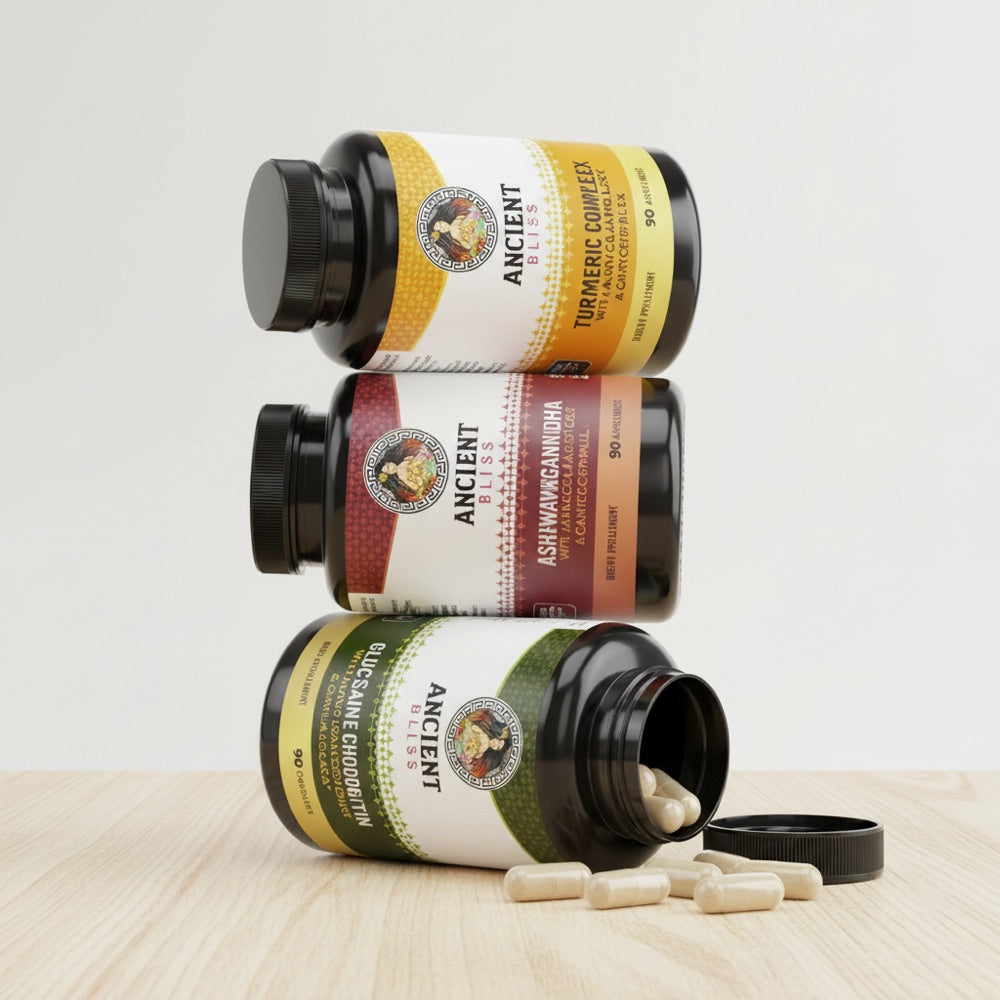
If you'd like to try berberine and Ceylon cinnamon together to support healthy blood sugar levels, we've combined them in one formula, Ancient Bliss Berberine. Supplements never replace diabetes medication or medical care, so check with your healthcare provider before starting, especially if you take medication for blood sugar, are pregnant, or are nursing.