Quick answer: There is no single "PCOS diet." The international PMOS (formerly PCOS) guideline says no one diet type beats another, and recommends sustainable, healthy eating that fits your preferences, without unduly restrictive plans. In practice, an insulin-friendly way of eating means regular meals built around protein, fiber-rich vegetables, slower-digesting (low-glycemic) carbs and healthy fats, and the 7-day plan below shows what that can look like.
When women come to me after a PMOS or PCOS diagnosis, the first question is almost always "What am I supposed to eat now?" Usually it comes with a long list of foods someone online told them to cut. I want to offer something kinder and more useful: a simple, flexible week of meals grounded in the research. If you are new to the name change, start with my overview of PMOS (formerly PCOS) and what the new name means.
Is There a Specific PCOS Diet?
No, and that is actually good news. The international evidence-based guideline for PCOS, now called PMOS (polyendocrine metabolic ovarian syndrome), found that "there is no evidence to support any one type of diet composition over another" for metabolic, hormonal, reproductive or emotional outcomes. Instead, it states that "any diet composition consistent with population guidelines for healthy eating will have health benefits" and asks clinicians to "advise sustainable healthy eating tailored to individual preferences and goals."
The guideline also highlights "avoiding unduly restrictive and nutritionally unbalanced diets." That matters, because the PCOS corner of the internet is full of rules about cutting whole food groups. A plan you can enjoy for months will do more for you than a perfect plan you abandon by Thursday.
One more point I never skip: the guideline says "eating disorders and disordered eating should be considered in PCOS, regardless of weight." If food feels stressful, if you find yourself bingeing or restricting, or if tracking makes you anxious, please tell your healthcare provider. You deserve support, not another set of rules.
What Does an Insulin-Friendly PMOS (PCOS) Diet Look Like?
Insulin resistance is common in PMOS, in women of every size. These are the principles I use when building meals with that in mind. Think of them as a compass, not a rulebook.
Use the plate method
Picture your plate in three parts: about half non-starchy vegetables (greens, peppers, zucchini, broccoli, tomatoes), about a quarter protein (fish, chicken, eggs, tofu, beans, yogurt), and about a quarter fiber-rich carbohydrate (brown rice, quinoa, oats, sweet potato, whole-grain bread, lentils). Add a thumb or two of healthy fat. No weighing, no counting.
Pair protein with fiber at every meal
Protein and fiber slow how quickly a meal is digested, which helps blood sugar rise and fall more gently and keeps you full longer. A bowl of plain cereal on its own digests fast; the same breakfast with yogurt, nuts and berries behaves very differently.
Choose mostly low-glycemic carbs
You do not need to give up carbohydrates. The glycemic index (GI) ranks carb foods by how quickly they raise blood sugar. A meta-analysis by Kazemi and colleagues pooled ten randomized trials in 403 women with PCOS and found that low-GI diets lowered HOMA-IR (a measure of insulin resistance), total and LDL cholesterol, triglycerides, waist circumference and total testosterone compared with high-GI diets, with a smaller, borderline drop in fasting insulin. They did not significantly change fasting glucose, HDL cholesterol, body weight or the free androgen index. Low-GI choices include oats, barley, lentils, chickpeas, beans, most whole fruits, and whole-grain or sourdough breads.
Include healthy fats
Olive oil, avocado, nuts, seeds and oily fish such as salmon and sardines add flavor and staying power. This is the backbone of a Mediterranean-style pattern. A review by Scannell and colleagues describes promising links between this way of eating and insulin resistance and androgen levels in PCOS, but notes the support is mostly observational and that "current evidence remains insufficient to inform clinical practice." I like it because it is satisfying and flexible, not because it is magic.
Don't skip meals, and consider a bigger breakfast
Long gaps often lead to big swings in hunger later in the day. Interesting research supports eating more earlier: in a 90-day trial by Jakubowicz and colleagues, 60 lean women with PCOS ate the same total calories, either as a large breakfast and small dinner or the reverse. The big-breakfast group had lower glucose and insulin responses, lower free testosterone and a higher ovulation rate, and the authors concluded that "meal timing and distribution should be considered as a therapeutic option for women with PCOS." It was one small study in lean women, so I see it as a nudge toward a hearty, protein-rich breakfast rather than a rule.
Skip the fad diets
Very low-carb, juice cleanses, extended fasting and "elimination" plans get a lot of attention, but the guideline found no diet type superior and cautions against restrictive approaches. If you want to try a specific eating style, do it with a registered dietitian who can make sure you are getting enough.
A 7-Day PMOS (PCOS) Meal Plan
Here is a sample week built on those principles. Portions are up to you and your appetite, and you can swap any meal for another or repeat favorites. Leftovers are your friend: several lunches use the previous night's dinner.
| Day | Breakfast | Lunch | Dinner | Snack |
|---|---|---|---|---|
| Day 1 | Plain Greek yogurt with berries, chia seeds and walnuts | Lentil and vegetable soup with a slice of whole-grain bread | Baked salmon, roasted broccoli and quinoa with lemon and olive oil | Apple slices with peanut butter |
| Day 2 | Veggie omelet (spinach, peppers, onion) with whole-grain toast | Leftover salmon and quinoa over mixed greens | Chicken and vegetable stir-fry with brown rice | Hummus with carrot and cucumber sticks |
| Day 3 | Steel-cut or rolled oats cooked with milk or soy milk, topped with ground flaxseed, cinnamon and pear | Chickpea salad with tomato, cucumber, red onion, feta and olive oil | Turkey and bean chili with a side salad | A small handful of almonds and a clementine |
| Day 4 | Two eggs, sautéed greens and half an avocado on sourdough | Leftover chili with a baked sweet potato | Grilled fish tacos on corn tortillas with cabbage slaw and black beans | Cottage cheese with pineapple |
| Day 5 | Smoothie: Greek yogurt, spinach, frozen berries, nut butter and oats | Whole-grain wrap with chicken, hummus and crunchy vegetables | Tofu and vegetable curry with brown rice or cauliflower rice | Roasted chickpeas |
| Day 6 | Cottage cheese bowl with sliced peaches, pumpkin seeds and cinnamon | Leftover curry over greens | Salmon or tofu poke-style bowl with brown rice, edamame, cucumber, seaweed and avocado | Plain yogurt with a few berries |
| Day 7 | Whole-grain pancakes made with eggs and oats, topped with yogurt and berries | Barley and vegetable salad with white beans and a lemon-herb dressing | Roast chicken thighs with roasted root vegetables and green beans | Whole-grain crackers with cheese and cherry tomatoes |
A few notes on the plan. Every breakfast includes a solid protein source. Every lunch and dinner has vegetables, protein and a fiber-rich carb. Snacks pair a carb with protein or fat. If you are plant-based, swap animal proteins for tofu, tempeh, beans and lentils; if you avoid dairy, use unsweetened soy yogurt or another fortified alternative. Batch cooking a grain and a pot of beans on the weekend makes the week much easier; my meal prep guide walks through how I do it.
Grocery List for the Week
- Proteins: eggs, salmon or other fish, chicken breast or thighs, ground turkey, firm tofu, edamame, plain Greek yogurt, cottage cheese, feta
- Legumes: lentils, chickpeas, black beans, kidney beans, white beans, hummus
- Whole grains and starchy vegetables: rolled or steel-cut oats, quinoa, brown rice, barley, whole-grain or sourdough bread, corn tortillas, whole-grain wraps, sweet potatoes
- Vegetables: spinach, mixed greens, broccoli, bell peppers, onions, tomatoes, cucumbers, carrots, cabbage, zucchini, green beans, cauliflower, root vegetables, garlic, seaweed snacks or sheets
- Fruit: berries (fresh or frozen), apples, pears, clementines, peaches, pineapple, lemons
- Healthy fats: extra-virgin olive oil, avocados, walnuts, almonds, pumpkin seeds, chia seeds, ground flaxseed, natural peanut or almond butter
- Flavor: cinnamon, curry paste or powder, chili spices, fresh herbs, vinegar, low-sodium soy sauce
On cinnamon: I sprinkle it on oats and yogurt for warmth and sweetness without added sugar. If you use it often, it is worth knowing the difference between types, which I cover in Ceylon vs. Cassia cinnamon.
Lean vs. Higher-Weight PMOS: Adjusting the Plan
The same principles work at any size, but the emphasis shifts.
If you have lean PMOS
Many lean women still have insulin resistance, so the protein-fiber-low-GI approach still applies. The goal is not weight loss. Eat enough, keep meals regular, and do not cut portions just because a meal plan online looks small. A satisfying breakfast is a good place to focus. I go deeper in my article on lean PMOS (PCOS) and insulin resistance without weight gain.
If you are at a higher weight
For some women, gradual weight change may be part of the plan they set with their provider. Even then, the guideline cautions against unduly restrictive diets, so think in terms of adding vegetables, fiber and protein rather than cutting meals. Pairing this kind of eating with regular movement, such as a walk after meals, is often more sustainable than dieting harder. My six lifestyle changes for healthy blood sugar are a good companion to this plan.
Either way, a registered dietitian can turn this sample week into a plan that fits your body, culture, budget and medications.
Which Foods Should You Limit With PMOS (PCOS)?
I prefer "limit" to "forbidden." No single food causes PMOS, and labeling foods as bad tends to backfire. These are foods that are easy to overdo and that tend to spike blood sugar or crowd out more nourishing options:
| Easy to overdo | Try more often |
|---|---|
| Sugary drinks, sweet coffee drinks, juice | Water, sparkling water with citrus, unsweetened tea, coffee with milk |
| Sweetened breakfast cereals and pastries | Oats, eggs, yogurt with fruit and nuts |
| White bread, white rice and refined snack crackers as the main part of a meal | Whole-grain or sourdough bread, brown rice, quinoa, barley, beans |
| Ultra-processed snacks, candy and sweets on an empty stomach | Fruit with nut butter, hummus and vegetables, or enjoying sweets after a balanced meal |
| Fried foods and processed meats most days | Baked, grilled or roasted fish, chicken, tofu and beans |
| Alcohol | Keep it occasional, and ask your provider what is right for you |
Birthday cake, holiday meals and a favorite dessert all have a place. What matters is the overall pattern across weeks, not a single meal.
Where Do Supplements Fit?
Food comes first, and supplements are optional extras, never a replacement for meals. If you are curious about what has been studied, my evidence-graded guide to the most-studied supplements for PMOS (PCOS) lays out what the research does and does not show.
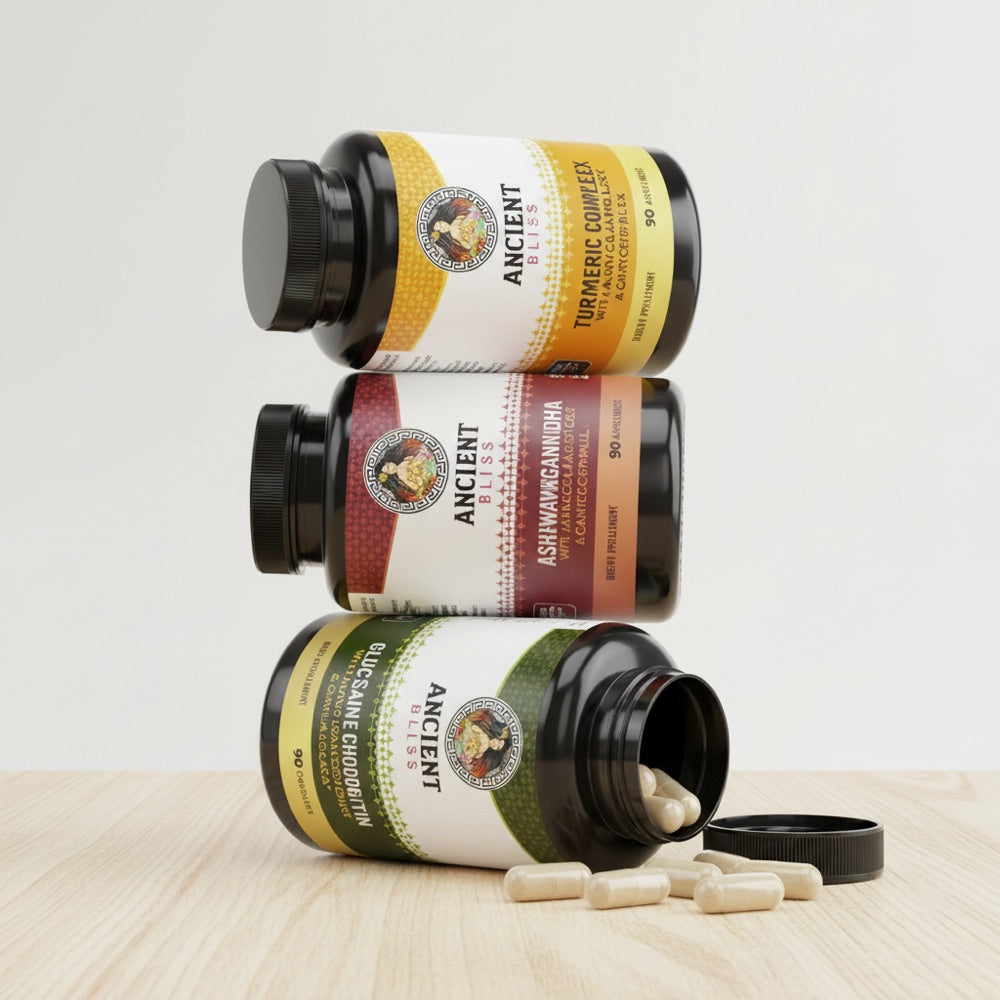
If you like a simple mealtime ritual, Ancient Bliss Apple Cider Vinegar capsules contain organic apple cider vinegar with the mother and are taken as two capsules daily, preferably before a meal, to support healthy blood sugar levels after meals. Ancient Bliss products are third-party tested.
Talk to your healthcare provider before adding any supplement, especially if you are pregnant, nursing or trying to conceive, take medication, or have a medical condition.
For more everyday ideas beyond the kitchen, see my 8 natural ways to manage PMOS (PCOS) symptoms.
Frequently Asked Questions
Should I cut out dairy if I have PMOS (PCOS)?
Not automatically. The guideline does not single out dairy for removal, and it found no diet composition superior to another. Plain yogurt, milk and cheese can be easy sources of protein and calcium. If you notice dairy does not agree with you, or you prefer to avoid it, fortified unsweetened alternatives work well. A dietitian can help you make sure you still get enough calcium and protein.
Do I need to go gluten-free for PCOS?
The evidence does not support cutting gluten for everyone with PCOS. Unless you have celiac disease or a diagnosed gluten-related condition, whole grains that contain gluten, such as whole wheat, barley and rye, can be part of a healthy, fiber-rich pattern. If you suspect a problem with gluten, ask your provider about testing before you remove it, because removing it first can make testing less reliable.
Is keto or intermittent fasting good for PCOS?
Some women try them, but the international guideline found no evidence that any one diet type beats another, and it cautions against unduly restrictive approaches. Long fasts can also work against the idea of eating more earlier in the day. If you are interested, work with a dietitian or provider, and stop if it triggers anxiety around food.
Can I eat fruit with PMOS?
Yes. Whole fruit brings fiber, water and antioxidants, and many fruits, such as berries, apples, pears and citrus, are low-glycemic. Pairing fruit with protein or fat, like apple with peanut butter, makes it even more filling. Juice is the one to keep small.
Do I need to count calories on a PCOS meal plan?
Most people do not. The plate method gives structure without numbers, and for many women counting adds stress without adding benefit. If you and your care team decide that tracking is useful, a dietitian can set targets that are right for you.
How long does it take to notice a difference?
It varies. Many people notice steadier energy and fewer cravings within a few weeks of regular, balanced meals. Changes in blood work or cycles take longer and should be tracked with your provider. Many of the diet trials in PCOS ran for several weeks to a few months.
This article is for education and is not medical advice. Please work with your healthcare provider or a registered dietitian on an eating plan for your individual needs.
References
- Teede HJ, Tay CT, Laven J, et al.; International PCOS Network. Recommendations from the 2023 International Evidence-based Guideline for the Assessment and Management of Polycystic Ovary Syndrome. Human Reproduction. 2023;38(9):1655-1679. doi:10.1093/humrep/dead156
- Kazemi M, Hadi A, Pierson RA, Lujan ME, Zello GA, Chilibeck PD. Effects of dietary glycemic index and glycemic load on cardiometabolic and reproductive profiles in women with polycystic ovary syndrome: a systematic review and meta-analysis of randomized controlled trials. Advances in Nutrition. 2021;12(1):161-178. doi:10.1093/advances/nmaa092
- Jakubowicz D, Barnea M, Wainstein J, Froy O. Effects of caloric intake timing on insulin resistance and hyperandrogenism in lean women with polycystic ovary syndrome. Clinical Science. 2013;125(9):423-432. doi:10.1042/CS20130071
- Scannell N, Villani A, Moran L, Mantzioris E. The potential role of the Mediterranean diet for the treatment and management of polycystic ovary syndrome: a review of the pathophysiological mechanisms and clinical evidence. Proceedings of the Nutrition Society. 2025;84(2):176-187. doi:10.1017/S0029665124007584