Sea moss is a natural source of iodine, the mineral your thyroid uses to make its hormones, which is why so many people are curious about sea moss for thyroid health. Your thyroid gland plays an important role in the overall healthy functioning of your body. Located on the front of your neck, the thyroid is shaped like a butterfly, smaller in the middle with two wider wing-like parts that wrap around your throat. Thyroid hormones control the way your body uses energy, which affects nearly every organ in your body. Thyroid disease refers to any condition that disrupts your body’s ability to make and properly regulate these important hormones. When this happens, other bodily functions are affected too.
Quick answer: Sea moss for thyroid health works through iodine: it’s a natural source of the mineral your thyroid needs to make the hormones T3 and T4, so it may help support normal thyroid function if your diet is low in iodine. It isn’t a treatment for thyroid disease, and too much iodine can also disrupt the thyroid, so check with your doctor first if you have a thyroid condition.
But what causes thyroid disease, and where does sea moss fit in?
Hyperthyroidism vs. Hypothyroidism: What’s the Difference?
Your thyroid’s most important job is to make hormones that control metabolism. Metabolism is the process of converting food into energy. Your body uses this energy to perform the functions that keep you alive. The two main thyroid hormones are T4 (thyroxine, which contains four iodine atoms) and T3 (triiodothyronine, which contains three).
Both hormones are made by the thyroid and tell your body’s cells how much energy to use. When the thyroid can’t keep these hormone levels in balance, the result is thyroid disease, most commonly hyperthyroidism or hypothyroidism.
Hyperthyroidism is a condition in which your body makes too much thyroid hormone. Hypothyroidism is when your body makes too little. The effects on your health depend on which condition you have.
What Causes Thyroid Disease?
There are many risk factors and health conditions that can lead to thyroid disease. Some of the most common causes and risk factors include autoimmune conditions such as Graves’ disease and Hashimoto’s disease, thyroiditis, nodules, a family history of thyroid disease, and getting too little or too much iodine.
Iodine is used by your thyroid to produce thyroid hormones. A shortage of iodine can disrupt production of these hormones. Iodine insufficiency is still a public health problem in 25 countries with a total population of about 683 million people. The body can’t make iodine, so we must get it from our diet.
Can Sea Moss Support Thyroid Health?
Sea moss, also known as Chondrus crispus, is a type of red seaweed that’s used as a food and a dietary supplement. Sea moss is a natural source of iodine that can help you get enough of this essential mineral, and getting adequate iodine supports normal thyroid function and healthy thyroid hormone production. Seaweed is one of the best food sources of iodine, along with fish and other seafood, although the amount varies widely between species and even between batches.
In supplement form, sea moss is a convenient way to add iodine to your routine, along with other potential benefits. This sea vegetable is used worldwide as an ingredient in many dishes as well as a nutritional supplement. Sea moss is not a substitute for prescription medication, surgery, or medical care for a thyroid condition, so always consult your doctor before taking any new medication or supplement.
Frequently Asked Questions
How does iodine support thyroid function?
Your thyroid uses iodine to make its two main hormones: T4 contains four iodine atoms and T3 contains three. The body can’t make iodine, so it has to come from foods such as seafood, dairy, eggs, iodized salt, or seaweed like sea moss.
Can you get too much iodine from sea moss?
Yes. Seaweeds can be very high in iodine, and the amount varies between species and batches. Too much iodine can affect thyroid function in some people, so stick to the serving on the label and avoid combining several iodine-rich supplements.
Is sea moss safe during pregnancy or while breastfeeding?
Iodine needs go up during pregnancy and breastfeeding, but both too little and too much iodine can affect a baby’s developing thyroid. Because the iodine in seaweed varies, talk to your doctor or midwife before taking sea moss if you’re pregnant, trying to conceive, or nursing, especially since many prenatal vitamins already contain iodine. Our article on sea moss and fertility covers this in more detail.
Can I take sea moss with thyroid medication?
Talk to your doctor before combining sea moss with any thyroid medication, since extra iodine can affect thyroid hormone levels and how your treatment works. Your doctor may want to check your levels if you add an iodine-containing supplement.
What should I look for in a sea moss supplement?
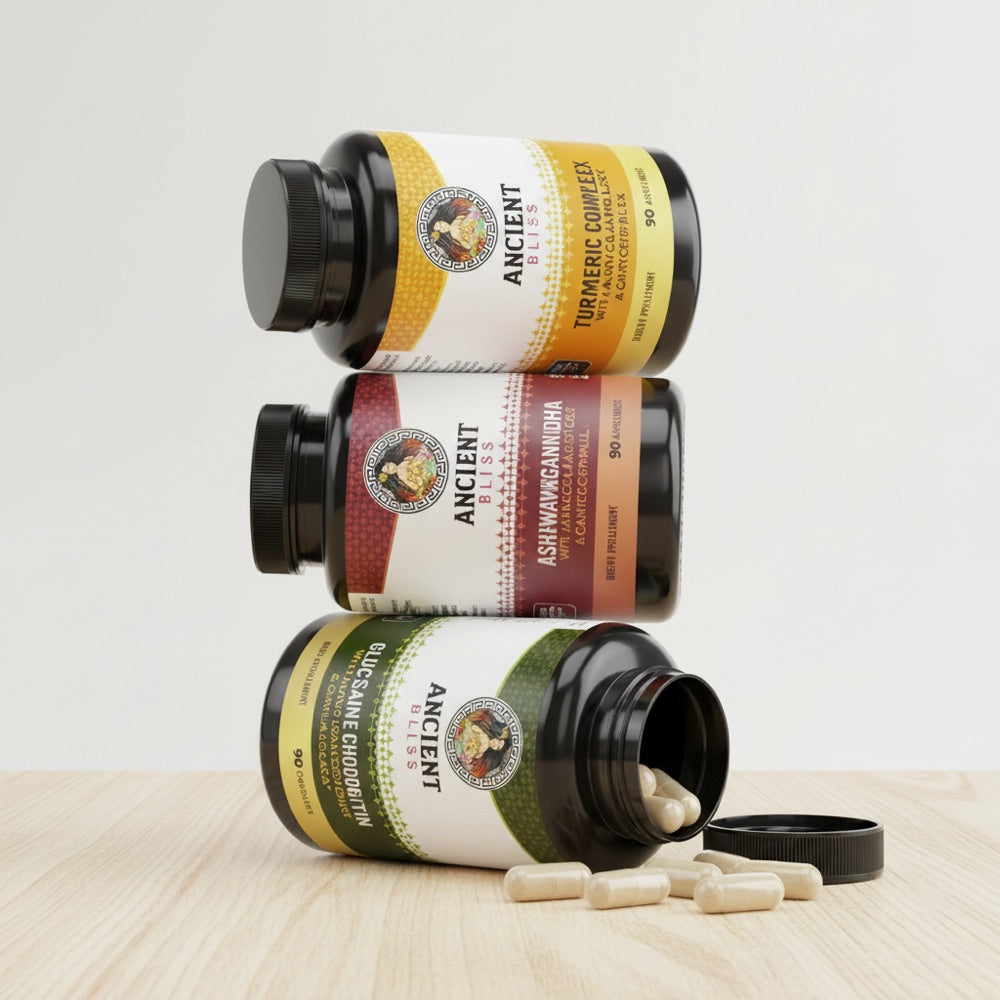
Look for a clear ingredient list, a stated serving size, transparent sourcing and no unnecessary fillers. For general wellness, Ancient Bliss Sea Moss combines organic sea moss with bladderwrack in capsules, taken as 2 capsules daily. Ancient Bliss products are third-party tested.
As with any supplement, check with your healthcare provider before starting sea moss, especially if you have a thyroid condition (too much iodine can also affect the thyroid), are pregnant or nursing, or take medication.
References
- National Institute of Diabetes and Digestive and Kidney Diseases. Hypothyroidism (Underactive Thyroid).
- NIH Office of Dietary Supplements. Iodine: Fact Sheet for Health Professionals.
- Teas J, Pino S, Critchley A, et al. Variability of iodine content in common commercially available edible seaweeds. Thyroid. 2004;14(10):836-841.