Quick answer: The best-supported benefit of sea moss is that it's a natural source of iodine, a mineral your thyroid needs to make its hormones, along with smaller amounts of other minerals and gut-friendly fiber. Most other popular claims, from glowing skin to weight loss, rest on traditional use, lab or animal studies rather than human trials. Because seaweed iodine varies widely and too much can upset thyroid function, take sea moss capsules at the labeled serving and check with your provider first if you have a thyroid condition.
Sea moss is a spiny sea vegetable that people have gathered and eaten for generations. Sea moss is usually sold dried, in a range of natural colors. As an herbalist I love sea vegetables, and I also know how much hype surrounds this one. So instead of a list of miracle claims, here's what sea moss can realistically do, what the research says, and how to take sea moss capsules safely.
What is sea moss?
"Sea moss" isn't one plant. It's a common name used for several species of red seaweed that grow along rocky coastlines in different parts of the world. These seaweeds are naturally rich in polysaccharides, the gel-forming carbohydrates (including carrageenan) that give soaked sea moss its jelly-like texture.
Sea moss is often paired with bladderwrack (Fucus vesiculosus), a brown seaweed named for the little air-filled bladders that help it float. Brown seaweeds generally contain more iodine than red ones (1), which is one reason the combination is popular, and also why serving size matters.
What are the benefits of sea moss?
I've kept the benefits from my original list that hold up and been honest about the ones that don't have much evidence yet.
1. A natural source of iodine for thyroid function
Your thyroid uses iodine to make the hormones T4 and T3, which help regulate metabolism, energy and body temperature. Adults need 150 mcg of iodine a day, rising to 220 mcg in pregnancy and 290 mcg while breastfeeding (2). The NIH Office of Dietary Supplements describes seaweed as "one of the best food sources of iodine" (2).
That's the real reason sea moss and bladderwrack are associated with thyroid support. Iodine supports normal thyroid function when you're getting too little. It doesn't mean more is better, and I explain why in the safety section below. For a deeper look, read my article on sea moss and thyroid health.
2. Minerals from the sea
Seaweeds absorb minerals from seawater, and sea moss contains iodine plus minerals such as magnesium, iron, zinc and potassium. Here I want to correct a claim you'll see everywhere, including in an earlier version of this article: there's no good evidence that sea moss contains nearly every mineral your body needs. That popular claim doesn't come from a published analysis.
It's also worth being realistic about amounts. A capsule serving contains a small quantity of dried seaweed, so think of sea moss as a gentle, food-based mineral source that complements a varied diet, not a replacement for leafy greens, legumes, nuts and seeds.
3. Gut-friendly fiber
Sea moss is rich in soluble, gel-forming fiber. In an animal study, weaning rats fed a diet with 2.5% cultivated Chondrus crispus (one of the red seaweeds sold as sea moss) had a 4.9-fold increase in beneficial Bifidobacterium breve, fewer potentially harmful bacteria and higher levels of short-chain fatty acids, which help nourish the gut lining (3). Rats aren't people, and human trials are still needed, but this fits with the traditional use of sea moss to soothe the digestive tract.
4. Skin, energy and immune support
Sea moss has long been used in traditional skin care and as a nourishing tonic. Iodine, zinc and iron all play roles in normal energy metabolism, skin and immune function, so getting enough of them matters. That said, I'm not aware of human trials showing that taking sea moss itself improves skin, energy or immunity. These are best described as traditional uses supported by its nutrient profile.
5. Libido and fertility
Sea moss has a reputation as a fertility food in several traditions. Iodine is important for a healthy pregnancy, but there are no human trials showing that sea moss improves libido or fertility. I cover what we do and don't know in sea moss and fertility.
6. Mucus and occasional congestion
Sea moss is traditionally used to soothe the throat and ease occasional congestion, likely because of its slippery, mucilage-like texture. This is folk use, not something clinical research has tested.
What about weight loss?
You'll often see sea moss promoted for weight loss, and an earlier version of this article mentioned it too. I haven't found solid human evidence that sea moss supports weight loss, so I've removed that claim. Fiber can help you feel full, but sea moss isn't a weight-loss supplement.
Sea moss capsules vs gel: which is better?
Both start as the same dried seaweed. Gel is made by soaking, rinsing and blending sea moss with water. Capsules contain dried, powdered seaweed in a pre-measured serving. Here's how they compare:
| Sea moss capsules | Sea moss gel | |
|---|---|---|
| Preparation | None | Soak, rinse, blend |
| Storage | Shelf-stable | Refrigerate; spoils within weeks |
| Serving size | Pre-measured, consistent | Varies by spoonful and recipe |
| Taste and texture | None | Mild ocean taste, jelly texture |
| Fiber | Small amount per serving | More, if you eat larger spoonfuls |
| Iodine control | Consistent serving size (iodine still varies by seaweed) | Harder to track |
| Travel | Easy | Not practical |
For most people, the "better" form is simply the one you'll take consistently. I lean toward capsules because a measured serving makes it easier to keep iodine intake steady, which matters with seaweed.
Is sea moss safe? Iodine, thyroid and heavy metals
Sea moss is a food, and for most healthy adults a sensible daily serving is reasonable. But seaweed deserves more respect than a typical "superfood," for two reasons.
Iodine: too much can affect the thyroid
The tolerable upper intake level for iodine is 1,100 mcg a day for adults (2). The NIH notes that high iodine intake can cause some of the same problems as deficiency, including goiter and hypothyroidism, and can also cause hyperthyroidism; it has also been linked to thyroiditis. People with autoimmune thyroid disease may react to amounts that are safe for most others (2).
The tricky part is that seaweed iodine varies enormously. One study cited by the NIH found commercial seaweeds ranging from 16 to 2,984 mcg of iodine per gram (2). When researchers tested 96 seaweed products and supplements, iodine was "variable and for most products high", a single portion or dose of 54 products would exceed the upper limit, and labeling of species and iodine was often inadequate (4). There's also a published case of a man taking lithium who developed hyperthyroidism after using an herbal preparation containing bladderwrack; it resolved when he stopped the preparation (5).
What this means for you:
- Stick to the labeled serving.
- Don't stack sea moss with kelp, other seaweed supplements or high-iodine products unless your provider says it's fine.
- Talk to your doctor first if you have a thyroid condition, take thyroid medication or antithyroid drugs, are pregnant or nursing, or take any medication.
Heavy metals in seaweed
Seaweeds can absorb elements such as arsenic, cadmium, lead and mercury from the water they grow in. A review of edible seaweeds highlighted excess iodine and arsenic as the main potential concerns (6). A Nordic review of seaweed food safety reported that contaminant levels vary by species and by harvest site, with arsenic generally higher in brown seaweeds than red ones and mercury generally low (1). Bladderwrack harvested from polluted waters has been linked to heavy-metal exposure (7). That's one more reason to stick to a sensible, measured serving.
How do you take sea moss capsules?
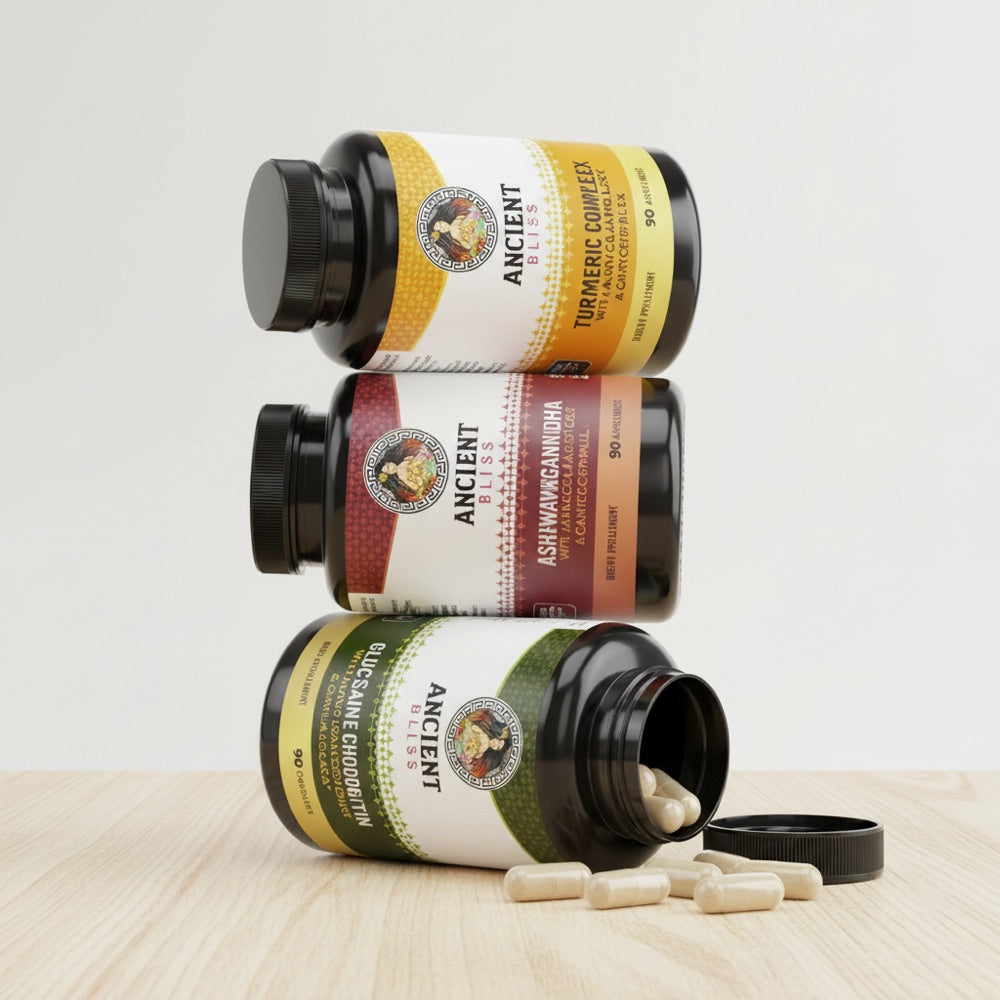
Ancient Bliss Sea Moss capsules contain sea moss and bladderwrack, and nothing else. The serving is 2 capsules once daily with a meal, and each bottle holds 120 capsules, or 60 servings. Ancient Bliss products are third-party tested. Taking it with a meal makes it simple to build into your routine.
Curious how to tell genuine sea moss from imitations? I wrote a guide to what's real and what's fake in sea moss.
Please talk to your healthcare provider before starting sea moss, especially if you have a thyroid condition, are pregnant or nursing, take medication or have any medical condition.
Frequently asked questions
Is it safe to take sea moss every day?
For most healthy adults, a daily serving at the labeled amount is reasonable. Because sea moss and bladderwrack contain iodine, more isn't better: very high iodine intake can disrupt thyroid function (2). Avoid stacking several iodine-rich products.
How much iodine is in sea moss?
It varies widely by species, where the seaweed grew and how it was processed. Studies of commercial seaweeds have found iodine ranging from very low to very high levels per gram (2, 4). That variability is why staying at the labeled serving matters.
Who should not take sea moss?
Check with your doctor first if you have a thyroid condition or take thyroid medication, are pregnant or nursing, have kidney problems or take any medication. Anyone with a seaweed or iodine sensitivity should avoid it.
Why are sea moss and bladderwrack taken together?
Sea moss is a red seaweed known for its gel-forming fiber, while bladderwrack is a brown seaweed that is naturally richer in iodine. Traditionally they're paired to combine their nutrients, which is also why a measured serving matters.
How long does sea moss take to work?
Sea moss is a nutritional food, not a fast-acting supplement. If you're filling a nutrient gap, give it several weeks of consistent use, and talk to your provider if you're hoping to address a specific symptom.
Do sea moss capsules work as well as gel?
No studies compare them directly. Both contain the same seaweed; gel can provide more fiber per spoonful, while capsules give a consistent, pre-measured serving that makes iodine easier to keep steady.
References
- Nordic Council of Ministers. Seaweeds for food: from production to consumer. A Nordic perspective on quality, processing and market advancements. TemaNord 2026:510. Chapter 3, Food safety. pub.norden.org
- National Institutes of Health, Office of Dietary Supplements. Iodine: Fact Sheet for Health Professionals. ods.od.nih.gov
- Liu J, Kandasamy S, Zhang J, et al. Prebiotic effects of diet supplemented with the cultivated red seaweed Chondrus crispus or with fructo-oligo-saccharide on host immunity, colonic microbiota and gut microbial metabolites. BMC Complement Altern Med. 2015;15:279. doi:10.1186/s12906-015-0802-5
- Aakre I, Doblaug Solli D, Wik Markhus M, et al. Commercially available kelp and seaweed products: valuable iodine source or risk of excess intake? Food Nutr Res. 2021;65. doi:10.29219/fnr.v65.7584
- Arbaizar B, Llorca J. Fucus vesiculosus induced hyperthyroidism in a patient undergoing concomitant treatment with lithium. Actas Esp Psiquiatr. 2011;39(6):401-403. actaspsiquiatria.es
- Cherry P, O'Hara C, Magee PJ, McSorley EM, Allsopp PJ. Risks and benefits of consuming edible seaweeds. Nutr Rev. 2019;77(5):307-329. doi:10.1093/nutrit/nuy066
- Memorial Sloan Kettering Cancer Center. Bladder wrack. About Herbs, Botanicals and Other Products. mskcc.org