Can sea moss support fertility? Here's what its nutrients may do for hormones, sperm quality, and egg health, and what the research can and can't tell us yet.
Quick answer: Research on sea moss for fertility itself is very limited, but sea moss provides nutrients such as zinc, selenium, folate, and iodine that play roles in reproductive health for both men and women. It may be a helpful part of a nutrient-rich diet while trying to conceive, but it isn’t a fertility treatment, and its iodine content means you should check with your doctor first.
Seeing PCOS called by a new name? Here is what the PMOS name change means.
Sea moss supplements have become popular as a superfood that can nourish the body with essential vitamins, minerals, and other nutrients.
This seaweed (Chondrus crispus and related red algae) grows along rocky Atlantic coastlines and in warmer waters around the world. Like other edible seaweeds, sea moss contains minerals like magnesium, calcium, zinc, and manganese, along with folate, all of which play a part in healthy reproduction.
But does this mean sea moss can really make a difference for couples trying to conceive?
Read below to learn more about sea moss organic supplements and the benefits they may provide for fertility.
Can Sea Moss Help Balance Hormones?
A big part of a couple’s journey towards parenthood is a balanced hormonal environment. A healthy balance of hormones creates the setting where conception has the best chance of success.
Sea moss supplements may help support hormone balance because of their minerals, including zinc, which plays a role in reproductive health.
Additionally, sea moss naturally contains iodine, which your body needs to make thyroid hormones, and seaweeds also provide selenium. Sea moss also contains amino acids and vitamins that support normal endocrine function.
As such, incorporating sea moss organic supplements into your diet may provide the body with natural support for balanced hormone levels.
Sea Moss for Fertility in Men: Sperm Quality
For men, poor sperm quality and low sperm count can be serious obstacles to becoming a father.
Sea moss contains minerals like zinc, selenium, iron, and magnesium, and nutrients such as zinc and selenium are among those studied for their role in semen quality.
Additionally, it contains nutrients that support healthy testosterone production, which also matters for conception.
Sea moss also contains antioxidant compounds that may help the body manage oxidative stress, supporting sperm health overall.
Sea Moss for Fertility in Women: Egg Health and PMOS (PCOS)
A woman's egg health is another important component in pregnancy.
Sea moss contains folate and zinc, which have been linked to egg quality, ovulation and healthy reproduction.
Additionally, the nutrients found in sea moss may help support overall reproductive health. Research on sea moss itself for conditions like PMS, PMOS (formerly PCOS), endometriosis, fibroids, and ovarian cysts is still very limited.
Sea Moss Supplements for Fertility: Is It Worth It?
Sea moss contains vitamins and minerals that are important for reproductive health in both men and women.
It also contains antioxidants that support overall health.
Sea moss's nutrients may support reproductive health in women, though it has not been shown to treat conditions such as PCOS, endometriosis, or fibroids that can contribute to infertility. Learn more about the benefits of sea moss and how sea moss relates to thyroid health.
Frequently Asked Questions
Can sea moss help you get pregnant?
There’s no direct research showing that sea moss improves the chances of conception. Its zinc, selenium, and folate support normal reproductive health, but a balanced diet, a prenatal vitamin, and guidance from your doctor are the foundation when you’re trying to conceive.
Is sea moss good for male fertility?
Sea moss contains zinc and selenium, two minerals involved in normal sperm production and testosterone levels. Research on sea moss itself for male fertility is limited, so think of it as nutritional support rather than a treatment.
Is sea moss safe while trying to conceive or during pregnancy?
Iodine needs go up during pregnancy and breastfeeding, but both too little and too much iodine can affect a baby’s developing thyroid. Because the iodine in seaweed products varies widely, talk to your doctor or midwife before taking sea moss if you’re trying to conceive, pregnant, or nursing, especially since many prenatal vitamins already contain iodine.
Can sea moss help with PMOS (formerly PCOS)?
There are no studies on sea moss for PMOS, the condition formerly called PCOS. Its minerals can be part of a nutrient-rich diet, but inositol has far more PCOS research behind it; read Inositol for PMOS (Formerly PCOS) to learn more, and talk to your doctor about what fits your care plan.
How far ahead should I start supplements before trying to conceive?
Sperm take roughly two to three months to develop, and eggs go through a similar months-long maturation before ovulation. That’s why many people start nutrition changes about three months before trying to conceive, ideally with input from their doctor.
What should I look for in a sea moss supplement?
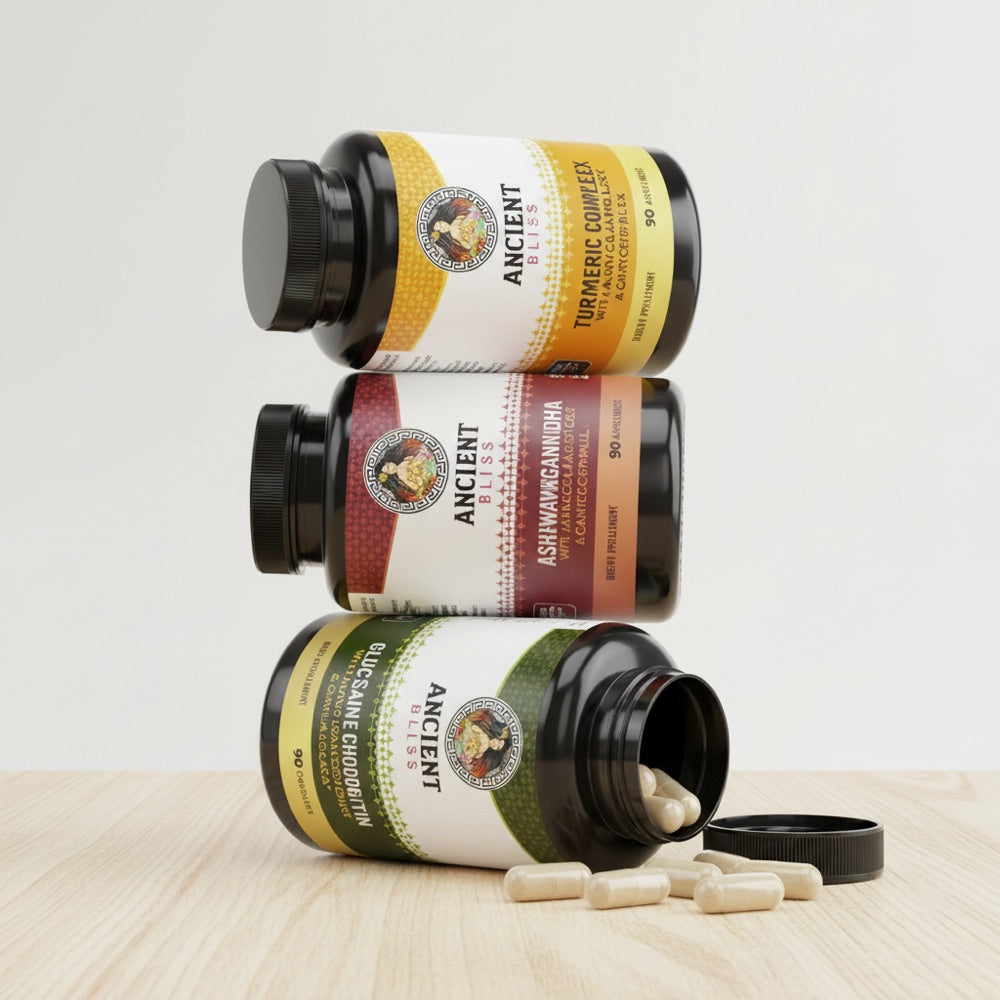
Look for a clear ingredient list, transparent labeling, and no unnecessary fillers. Ancient Bliss Sea Moss contains only organic sea moss and bladderwrack in capsules, taken as 2 capsules once daily with a meal, and is herbalist-formulated. Ancient Bliss products are third-party tested.
Just be sure to talk to your doctor first before taking new supplements that may interfere with any current medications or treatments, especially if you're pregnant, nursing, or have a thyroid condition, since sea moss is naturally high in iodine.
References
- Cherry P, O'Hara C, Magee PJ, et al. Risks and benefits of consuming edible seaweeds. Nutr Rev. 2019;77(5):307-329.
- Ebisch IMW, Thomas CMG, Peters WHM, et al. The importance of folate, zinc and antioxidants in the pathogenesis and prevention of subfertility. Hum Reprod Update. 2007;13(2):163-174.
- National Institutes of Health, Office of Dietary Supplements. Iodine: Fact Sheet for Health Professionals.
- Ahmadi S, Bashiri R, Ghadiri-Anari A, et al. Antioxidant supplements and semen parameters: an evidence based review. Int J Reprod Biomed. 2016;14(12):729-736.
- Aakre I, Doblaug Solli D, Wik Markhus M, et al. Commercially available kelp and seaweed products: valuable iodine source or risk of excess intake? Food Nutr Res. 2021;65.