Turmeric and ginger are two warming spices whose benefits come largely from their antioxidant and anti-inflammatory compounds. In the quest for better health and well-being, nature often provides us with potent allies. Turmeric and ginger, two ancient spices rooted in traditional medicine, have emerged as popular supporters of a healthy inflammatory response. With their bioactive compounds and antioxidant properties, these golden gems hold real potential for supporting our body's natural defenses. In this blog, we'll explore the benefits of turmeric and ginger and how supplementing with them can support your overall well-being.
Quick answer: Turmeric (thanks to its compound curcumin) and ginger (thanks to gingerols and shogaols) both support a healthy inflammatory response and act as antioxidants. Research has looked at turmeric for joint comfort and metabolic health, and ginger for occasional nausea, digestion, and joint comfort. Taking curcumin with black pepper helps your body absorb it.
What Is Inflammation and Why Does It Matter?
Inflammation is a natural response of the immune system to injuries, infections, and foreign invaders. In acute situations, inflammation is essential for healing and protection. However, chronic inflammation can be detrimental to our health and is linked to various chronic conditions like arthritis and heart disease. Keeping inflammation in a healthy balance is crucial to promoting overall well-being and longevity.
What Are the Benefits of Turmeric?
Turmeric is the star of the show, thanks to its active compound curcumin. Curcumin is an anti-inflammatory and antioxidant compound that has garnered significant attention from the scientific community for its potential health benefits (1).
Anti-Inflammatory Properties
Curcumin works at the molecular level to calm inflammatory pathways, reducing the production of inflammatory messengers (cytokines) and enzymes. By doing so, it helps support a healthy inflammatory response and overall comfort (1).
Antioxidant Action
As an antioxidant, curcumin scavenges free radicals, unstable molecules that can damage cells and contribute to chronic inflammation. It also appears to boost the body's own antioxidant enzymes. Together, these actions help protect our cells and DNA from oxidative stress (1).
Why Black Pepper Matters
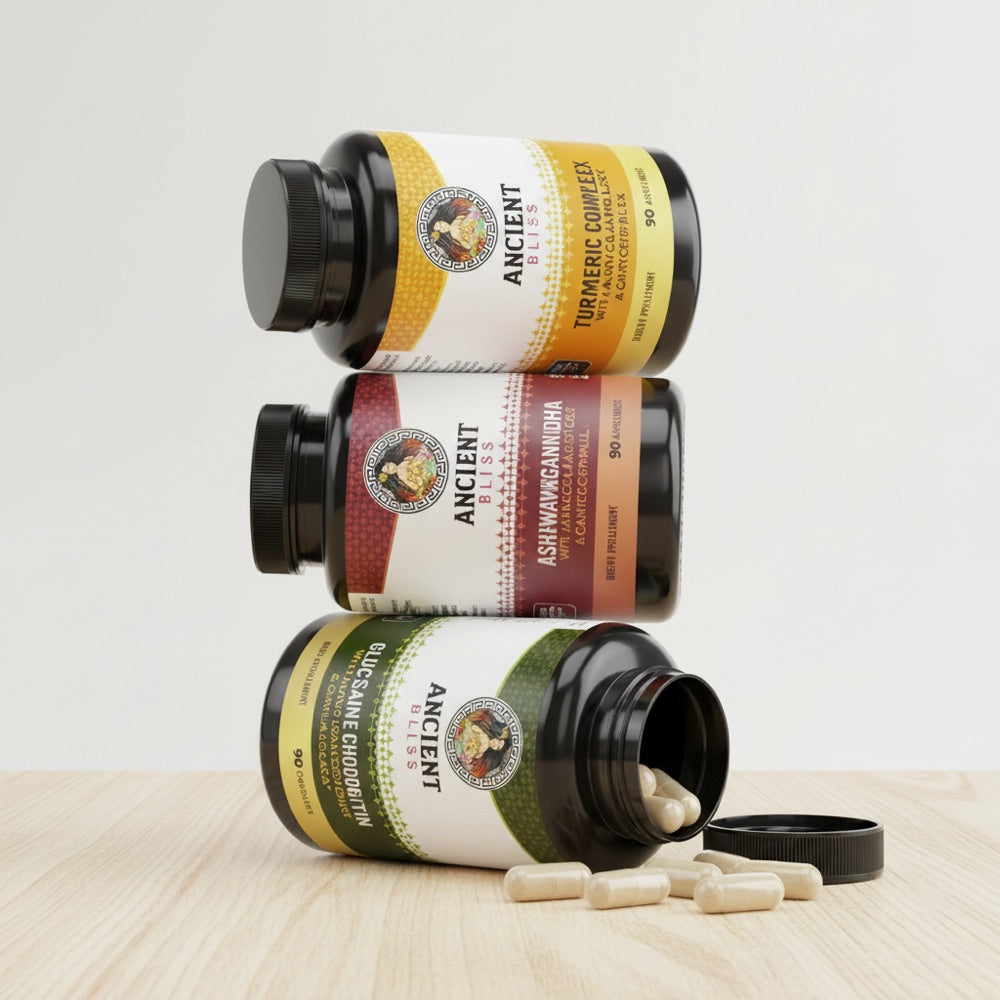
On its own, curcumin is poorly absorbed. In a classic study, taking curcumin with piperine, the active compound in black pepper, increased its bioavailability in humans by 2,000% (2). That's why I formulated Ancient Bliss Turmeric Curcumin with organic curcumin, organic ginger, and black pepper extract. Ancient Bliss products are third-party tested.
Cell Health Research
Curcumin is one of the most studied plant compounds, and researchers continue to explore how it interacts with cells and the signaling pathways involved in cell growth. Much of this work is early and done in the lab or in animals, so it isn’t a reason to use turmeric in place of medical care.
What Are the Benefits of Ginger?
Ginger, a close relative of turmeric, also boasts a diverse range of bioactive compounds, including gingerols and shogaols, which contribute to its traditional uses.
Anti-Inflammatory Benefits
Like curcumin, gingerols have anti-inflammatory properties, and research has looked at ginger for joint comfort. A meta-analysis of randomized, placebo-controlled trials in people with osteoarthritis found that ginger modestly reduced pain compared with placebo (3).
Antioxidant Activity
Gingerols are potent antioxidants that help combat oxidative stress, protecting our cells from damage caused by free radicals.
Digestive Comfort and Emerging Research
Ginger has a long history of use for occasional nausea and digestive comfort, and it's one of the most studied herbs in clinical trials, with a review of 109 randomized trials covering everything from nausea to metabolic health (4). Early laboratory research is also exploring ginger’s effects on cell health in various tissues. If you’re undergoing any medical treatment, talk with your care team before adding ginger supplements.
Is It Better to Take Turmeric and Ginger Together?
When combined, turmeric and ginger make a natural pair. They share similar antioxidant and anti-inflammatory actions and work through slightly different compounds, so many herbalists, myself included, like to use them together. Few studies have tested the combination directly in people, so think of it as complementary support rather than a proven synergy.
| Turmeric | Ginger | |
|---|---|---|
| Key compounds | Curcumin | Gingerols, shogaols |
| Best known for | Healthy inflammatory response, joint comfort | Occasional nausea, digestive comfort, joint comfort |
| Absorption tip | Take with black pepper (piperine) and a meal with some fat | Absorbed well from food, tea, or capsules |
Conclusion
Nature's pharmacy is full of plants that support our health, and turmeric and ginger are shining examples. Their antioxidant and anti-inflammatory properties are a testament to the potential of natural substances. Whether enjoyed as spices in your cooking or taken as supplements, turmeric and ginger can be valuable allies in promoting a life of vitality, well-being, and a healthy inflammatory balance. For more food-based ideas, see our guide to inflammation and anti-inflammatory foods.
As with any supplement, check with your healthcare provider before starting turmeric or ginger, especially if you’re pregnant, nursing, or take medication such as blood thinners. Liver problems have been reported in some people taking highly absorbable turmeric products, so stop and contact your provider if you notice symptoms like unusual fatigue, dark urine, or yellowing skin (5).
Frequently Asked Questions
Is it okay to take turmeric and ginger every day?
For most healthy adults, turmeric and ginger are well tolerated in food amounts and typical supplement doses. Higher doses can cause digestive upset, and turmeric supplements may not be safe during pregnancy. Check with your healthcare provider before daily use, especially if you take medication.
What is the best time to take turmeric and ginger?
Many people take them with a meal, since food (especially some healthy fat) helps curcumin absorption and can reduce the chance of stomach upset. Consistency matters more than the exact time of day.
Who should not take turmeric?
People who are pregnant, take blood thinners or other medications, have gallbladder problems, or have a history of liver issues should talk with their doctor before taking turmeric supplements. Stop and contact your provider if you notice signs of liver problems.
Why is black pepper added to turmeric supplements?
Curcumin is poorly absorbed on its own. Piperine, the active compound in black pepper, helps your body absorb much more curcumin, which is why many turmeric supplements include black pepper extract.
Does ginger help with digestion?
Yes, ginger has a long traditional use for digestive comfort, and clinical studies support its use for occasional nausea and indigestion. It's a gentle option many people enjoy as a tea or in meals.
References
- Hewlings SJ, Kalman DS. Curcumin: a review of its effects on human health. Foods. 2017;6(10):92.
- Shoba G, Joy D, Joseph T, et al. Influence of piperine on the pharmacokinetics of curcumin in animals and human volunteers. Planta Med. 1998;64(4):353-356.
- Bartels EM, Folmer VN, Bliddal H, et al. Efficacy and safety of ginger in osteoarthritis patients: a meta-analysis of randomized placebo-controlled trials. Osteoarthritis Cartilage. 2015;23(1):13-21.
- Anh NH, Kim SJ, Long NP, et al. Ginger on human health: a comprehensive systematic review of 109 randomized controlled trials. Nutrients. 2020;12(1):157.
- National Center for Complementary and Integrative Health. Turmeric.