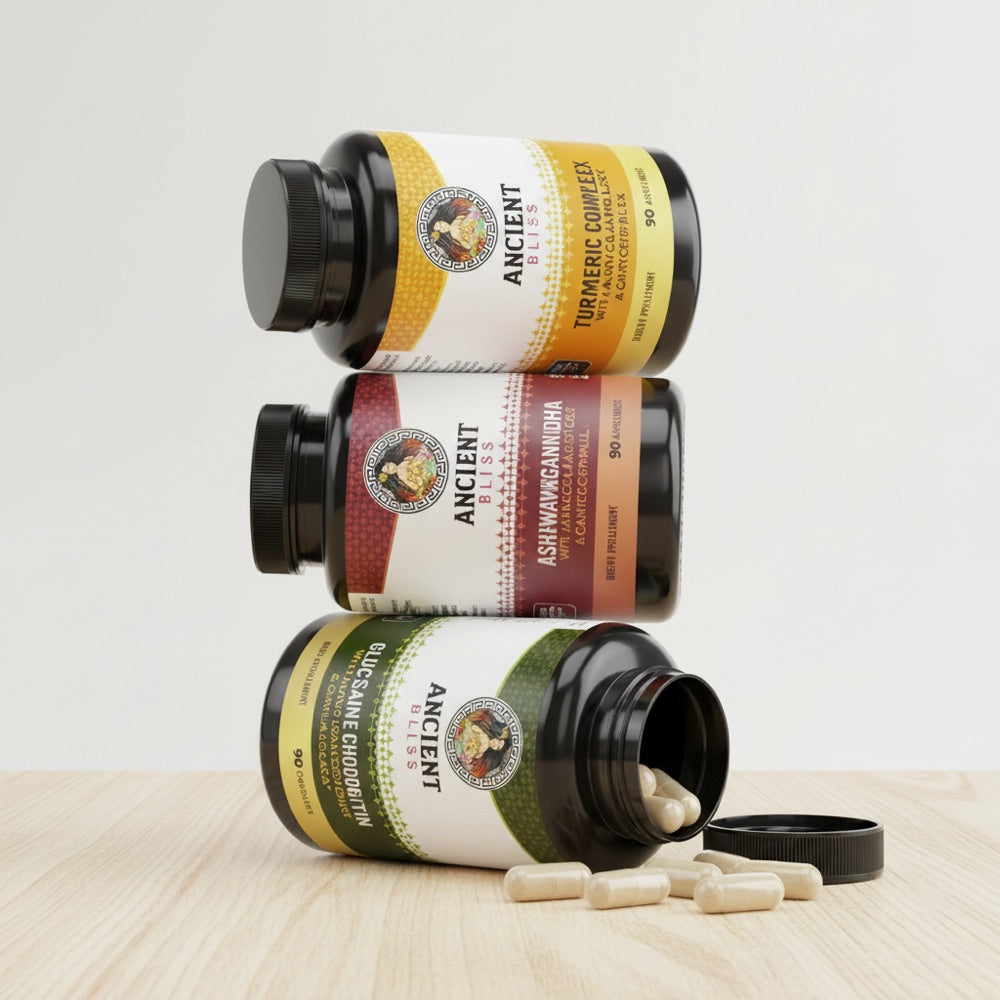
If you’ve ever experienced joint discomfort or stiffness, you know how it can affect your daily life. Fortunately, there’s a natural compound that may help support joint health: glucosamine! This compound, found in our bodies and in cartilage, is one of the most popular joint supplements around. In this easy-to-read blog, we’ll explore glucosamine for joint health and how it can be part of your plan for maintaining happy and healthy joints.
Quick answer: Glucosamine is a natural building block of cartilage, and supplements are taken to support joint comfort, flexibility and healthy cartilage. Research results are mixed: some studies, mostly in people with knee osteoarthritis, found less joint pain, while others found little difference, so glucosamine works best as one part of a routine that includes movement and a healthy weight.
What Is Glucosamine?
Glucosamine is a natural substance found in our bodies, particularly in cartilage. It acts as a building block for glycosaminoglycans, the molecules that help give cartilage its structure (1). Cartilage is the cushion between our bones, and with age or injuries, it can wear down, leading to joint pain and discomfort. Glucosamine supplements are generally sold as glucosamine sulfate or glucosamine hydrochloride, and many are made from shellfish shells, so check the label for the source.
What Are the Benefits of Glucosamine for Joint Health?
May Ease Joint Discomfort
One of the most studied benefits of glucosamine is its potential to ease joint discomfort. Much of the research has been done in people with knee osteoarthritis. A large analysis of 29 studies found that glucosamine or chondroitin taken alone reduced overall pain, but individual studies disagree, and it’s still uncertain how helpful they are (1). Some people find that regular use helps those achy joints move with more ease and comfort.
Supports Healthy Cartilage
Cartilage acts like a shock absorber for our joints. When it gets worn, it needs proper care to maintain itself. Because glucosamine is one of the building blocks of cartilage, it may help support cartilage maintenance over time.
Supports Joint Flexibility and Mobility
Imagine a life where you can move freely without any joint restrictions. Glucosamine may help you get there! By helping maintain joint health, this popular supplement may support flexibility and mobility, so you can dance, run, and enjoy your favorite activities with less worry.
Supports Smooth Movement
Have you ever heard the saying “smooth as silk”? Well, that’s what we all want for our joints! Glucosamine is a building block of the molecules found in cartilage and joint tissues, which is why it’s thought to support smooth, comfortable movement, though this hasn’t been confirmed in people.
Complements Your Joint Care Routine
Glucosamine is not meant to replace any prescribed medication or therapy, but it can be a nice companion to your joint care routine. Whether you’re doing physical therapy or following your doctor’s plan, adding glucosamine to the mix may provide extra support for your joints. Exercise and weight management remain the foundation, since both can lower joint pain and stiffness (2, 3). For more ideas, see our guide on how to ease joint pain and improve joint health.
May Support Joints as You Age
Aging is a natural process, but that doesn’t mean we can’t take care of ourselves. By building good joint habits early on, you can give your joints the love they deserve and support them through age-related changes.
How Do You Choose a Glucosamine Supplement?
Many joint formulas pair glucosamine with other ingredients. Our Ancient Bliss Glucosamine combines glucosamine, chondroitin, MSM and L-methionine with quercetin, boswellia extract, organic turmeric, hyaluronic acid, bromelain and organic ginger. It’s taken as two capsules daily with a full glass of water. Ancient Bliss products are third-party tested. You can also read about turmeric and ginger, two ingredients often used for joint comfort.
Conclusion
In conclusion, glucosamine is a popular ally for maintaining joint health and overall well-being. By helping ease joint discomfort, supporting cartilage, and supporting joint flexibility, this natural compound may make a real difference in your quality of life. Remember, it’s essential to consult your doctor before starting any new supplement, especially if you’re pregnant, nursing, have underlying health conditions or are taking medications (and if you have a shellfish allergy, ask about the source).
With glucosamine on your side, you can embrace life’s adventures with less worry about joint discomfort holding you back. Combine it with regular exercise, a balanced diet, and a healthy lifestyle (nutrients like marine collagen can be part of that, too) to create a winning formula for joint happiness. So, let glucosamine be your joints’ best friend, and get ready to move with ease, comfort, and a smile on your face!
Frequently Asked Questions
Does glucosamine really work for joints?
The research is mixed. Some studies, mostly in people with knee osteoarthritis, found that glucosamine reduced pain, while others found little difference. Many people still find it a helpful part of their joint routine, especially combined with exercise and a healthy weight.
How long does it take for glucosamine to work?
Glucosamine is not a quick fix. Studies typically run for weeks to months, and we recommend taking it consistently for at least 30 days before judging how it works for you.
Is glucosamine made from shellfish?
Many glucosamine supplements are made from shellfish shells, while others come from different sources. If you have a shellfish allergy, check the label and ask your healthcare provider before taking any glucosamine product.
Who should not take glucosamine?
Glucosamine may raise blood sugar in some people, and glucosamine with chondroitin has been linked to a higher bleeding risk in people taking warfarin. Talk with your doctor first if you take blood thinners, have diabetes, or are pregnant or nursing.
Is it better to take glucosamine with chondroitin?
Glucosamine and chondroitin are often taken together because both are found in cartilage. Studies have looked at each alone and in combination, with mixed results, so the best choice depends on your needs and your provider’s advice.
As with any supplement, check with your healthcare provider before starting, especially if you’re pregnant, nursing, or take medication.
References
- National Center for Complementary and Integrative Health. Glucosamine and chondroitin for osteoarthritis.
- National Institute of Arthritis and Musculoskeletal and Skin Diseases. Osteoarthritis.
- Thomas S, Browne H, Mobasheri A, et al. What is the evidence for a role for diet and nutrition in osteoarthritis? Rheumatology (Oxford). 2018;57(suppl_4):iv61-iv74.