Inflammation is a defense mechanism that helps your body heal and protects it against harmful microbes. However, it can become your enemy when it is prolonged, which is called chronic inflammation. In this article, we'll look at what inflammation is and how anti-inflammatory foods can help you keep it in check.
Quick answer: Inflammation is your immune system's response to injury or infection. Short-term (acute) inflammation helps you heal, while long-term (chronic) inflammation is linked to conditions like heart disease and diabetes. You can help your body keep inflammation in balance by eating more vegetables, fruits, whole grains, nuts, and omega-3-rich foods, and by limiting refined carbs, added sugar, processed foods, and alcohol.
Chronic inflammation can last for weeks, months, or even years, and can contribute to chronic health conditions.
The good news: you can adjust your diet and lifestyle habits to help your body regulate this process normally. Certain foods are called anti-inflammatory because they help the body manage inflammation, while others are called inflammatory because of their role in increasing it.
What Is Inflammation?
Inflammation is your immune system’s response to an injury, burn, or microbial invasion. Its purpose is to get rid of a harmful microbe or remove damaged tissue to help the body heal naturally.
Inflammation is “good” when it is acute (short-term) and aims to protect the body. Signs of acute inflammation include heat, pain, swelling, and redness of the affected area.
Inflammation can also be “bad” if it is chronic (long-term). It does not have prominent symptoms and often goes unnoticed. However, it is linked to many serious conditions, including cancer, heart disease, inflammatory bowel disease, and diabetes (1, 2, 3).
Different lifestyle factors, including eating habits, can contribute to chronic inflammation.
Does Your Diet Influence Inflammation?
The foods you eat have an impact on the inflammatory response. The connection between diet and inflammation is still not fully understood, but scientists believe certain foods can contribute to inflammation while others can help reduce it.
Your diet influences the level of C-reactive protein (CRP), which is a marker of inflammation. Inflammatory foods can increase the level of inflammatory messengers in the blood; that is why eating a lot of them may increase the risk of chronic inflammation.
On the other hand, fruits and vegetables help reduce oxidative stress, which helps the body regulate inflammation.
Which Foods Cause Inflammation?
- Refined carbs: They have most of their dietary fiber removed. Some researchers believe that refined carbs promote the growth of inflammatory gut bacteria, which may contribute to obesity and other health issues (4).
- Added sugar: Foods rich in added sugar, such as candies, soft drinks, cakes, and sweets, can also increase inflammation in the body.
- Processed and packaged foods: Some can contain artificial trans fats, the unhealthiest form of fat. Trans fats are linked to higher markers of inflammation and a greater risk of heart disease (5, 6).
- Vegetable oils: Some vegetable oils, like soybean oil, have omega-6 fatty acids in abundance. Consuming too much of them can disturb your omega-3 to omega-6 balance, which animal research links to inflammation (7).
- Excessive alcohol consumption: Drinking too much alcohol can let bacterial toxins pass from the gut into the body (often called ‘leaky gut’). It can encourage inflammation and contribute to organ damage (8).
Which Foods Help Reduce Inflammation?
- Fruits and vegetables: Colorful fruits and leafy veggies are popular anti-inflammatory foods. Cruciferous veggies like cabbage, cauliflower, and broccoli contain sulforaphane, a compound that helps the body manage inflammation and oxidative stress (9). A rainbow of fruits like cherries, blackberries, and grapes also act as anti-inflammatory foods.
- Nuts: They contain healthy fats that your body needs to regulate inflammation normally. A small handful a day is a good portion, since nuts are calorie-dense.
- Whole grains: Whole grain foods like whole-wheat bread, whole-wheat pasta, brown rice, and oatmeal are rich in dietary fiber, which is also believed to help reduce inflammation.
- Omega-3 fatty acids: These healthy fats can help your body regulate the normal process of inflammation. Increase your intake of foods rich in omega-3 fatty acids, such as salmon, sardines, walnuts, and flaxseed.
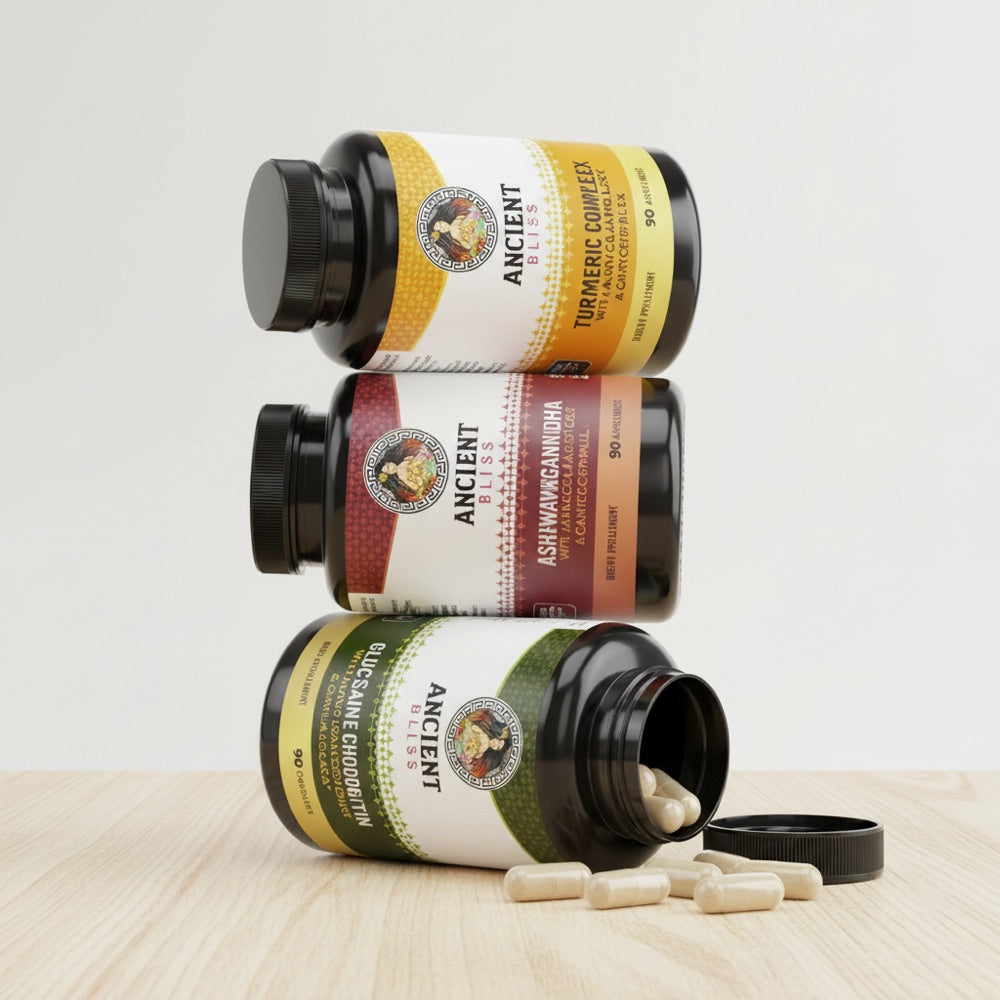
- Antioxidants: They are crucial for cell and tissue repair and can help protect against tissue damage. Consuming foods high in antioxidants can help your body manage oxidative stress and inflammation. Common examples of antioxidant foods are beans, lentils, green tea, veggies, and colorful fruits. (Turmeric and ginger are two more favorites; read more about turmeric and ginger.) If you'd like a supplement, Ancient Bliss Turmeric Curcumin pairs organic curcumin and organic ginger with black pepper extract to support a healthy inflammatory response.
- Mushrooms: They are a natural source of phenols and antioxidants that may help the body manage inflammation (10). In one lab study using fat cells and immune cells, extracts of lion’s mane mushroom reduced markers of low-grade inflammation (11). You can learn more in the 6 functional mushrooms everyone is talking about.
Summary: How to Control Inflammation With Anti-Inflammatory Foods
Inflammation is a natural process, but it can be harmful if it becomes prolonged. Chronic inflammation is also linked to other health issues such as cancer, diabetes, and arthritis. That is why it's worth eating more antioxidant-rich foods, omega-3 fatty acids, vegetables, and colorful fruits that support healthy inflammation regulation in the body.
Try to cut back on processed foods, refined carbs, and foods high in added sugar to help keep inflammation in check and live a healthy life! Our simple guide to healthy grocery shopping can help you fill your cart.
If you have ongoing pain, swelling, or other symptoms, talk with your healthcare provider. And before adding any supplement, check with your provider first, especially if you're pregnant, nursing, or take medication.
Frequently Asked Questions
What are the signs of chronic inflammation?
Chronic inflammation often has no obvious symptoms, but some people notice ongoing fatigue, body aches, digestive issues, or frequent infections. A blood test for C-reactive protein (CRP) is one way doctors check for inflammation. If you're concerned, talk with your healthcare provider.
What is the fastest way to reduce inflammation in the body?
There's no overnight fix, but consistent habits help: eat more whole plant foods and omega-3-rich fish, cut back on added sugar, refined carbs, and alcohol, stay active, sleep well, and manage stress. Sudden pain, swelling, or fever should be checked by a doctor.
What drinks help with inflammation?
Water, green tea, and herbal teas like ginger or turmeric tea are good choices. Limiting sugary drinks and alcohol is just as important as what you add.
Are eggs or dairy inflammatory?
For most people, eggs and dairy aren't strongly linked to inflammation, and fermented dairy like yogurt can support gut health. If you have an allergy or intolerance, though, these foods can cause symptoms, so listen to your body.
References
- Kolb H, Mandrup-Poulsen T. The global diabetes epidemic as a consequence of lifestyle-induced low-grade inflammation. Diabetologia. 2010;53(1):10-20.
- Pearson TA, Mensah GA, Alexander RW, et al. Markers of inflammation and cardiovascular disease. Circulation. 2003;107(3):499-511.
- Coussens LM, Werb Z. Inflammation and cancer. Nature. 2002;420(6917):860-867.
- Spreadbury I. Comparison with ancestral diets suggests dense acellular carbohydrates promote an inflammatory microbiota, and may be the primary dietary cause of leptin resistance and obesity. Diabetes Metab Syndr Obes. 2012;5:175-189.
- Nestel P. Trans fatty acids: are its cardiovascular risks fully appreciated? Clin Ther. 2014;36(3):315-321.
- Lopez-Garcia E, Schulze MB, Meigs JB, et al. Consumption of trans fatty acids is related to plasma biomarkers of inflammation and endothelial dysfunction. J Nutr. 2005;135(3):562-566.
- Yang LG, Song ZX, Yin H, et al. Low n-6/n-3 PUFA ratio improves lipid metabolism, inflammation, oxidative stress and endothelial function in rats using plant oils as n-3 fatty acid source. Lipids. 2016;51(1):49-59.
- Wang HJ, Zakhari S, Jung MK. Alcohol, inflammation, and gut-liver-brain interactions in tissue damage and disease development. World J Gastroenterol. 2010;16(11):1304-1313.
- Ruhee RT, Suzuki K. The integrative role of sulforaphane in preventing inflammation, oxidative stress and fatigue: a review of a potential protective phytochemical. Antioxidants (Basel). 2020;9(6):521.
- Elsayed EA, El Enshasy H, Wadaan MA, et al. Mushrooms: a potential natural source of anti-inflammatory compounds for medical applications. Mediators Inflamm. 2014;2014:805841.
- Mori K, Ouchi K, Hirasawa N. The anti-inflammatory effects of lion's mane culinary-medicinal mushroom, Hericium erinaceus (higher Basidiomycetes) in a coculture system of 3T3-L1 adipocytes and RAW264 macrophages. Int J Med Mushrooms. 2015;17(7):609-618.