If you’re looking for natural ways to manage PCOS symptoms, these eight lifestyle and nutrition habits are a great place to start.
Update: PCOS has been renamed polyendocrine metabolic ovarian syndrome (PMOS) by an international consensus published in The Lancet; the diagnostic criteria are unchanged, so everything here still applies. To learn what the new name means and what research shows about inositol, read Inositol for PMOS (Formerly PCOS).
Quick answer: Natural ways to manage PCOS symptoms include reaching a healthy weight, eating mostly whole foods, staying active, sleeping well and lowering inflammation. Research has also looked at nutrients and herbs such as vitamin D, calcium, cinnamon, berberine and green tea, though more studies are needed. There is no cure for PCOS, so these habits are meant to support, not replace, care from your doctor.
If you’re one of the 5 million women who live with polycystic ovary syndrome (PCOS), then you are no stranger to the uncomfortable symptoms. Women with PCOS may have higher levels of male hormones, called androgens, which can cause hair thinning, acne, irregular periods, and excess hair growth on the face and body.
If left untreated, PCOS can lead to more serious health conditions such as heart disease, diabetes, gestational diabetes, stroke, high blood pressure and sleep apnea. These side effects are even more likely to occur in women who are overweight or obese. The cause of PCOS is unknown, but insulin resistance, obesity, and family history (having a mom or sister with PCOS) are all risk factors.
How to Manage PCOS Symptoms Naturally
There is no cure for PCOS, but lifestyle changes and natural supplements may help to manage symptoms. Below are 8 natural ways to manage your PCOS symptoms:
Lose Weight
Being overweight or obese is linked to PCOS. If you are overweight, losing weight may help to reduce the severity of your symptoms. Reduce your weight by practicing healthy lifestyle habits such as eating a healthy diet rich in whole foods and getting regular exercise.
Eat Healthy and Stay Active
A healthy body weight is linked to better health overall and less risk of developing type 2 diabetes and PCOS. By eating healthy and exercising regularly, you can support healthy blood sugar levels and therefore reduce your risk of PCOS complications. Avoid processed foods, sugary beverages, and foods high in animal fat and cholesterol.
Ramp Up Your Calcium and Vitamin D
One study compared two groups of women with symptoms of PCOS. One group was given a regular dosage of Metformin, a drug used to treat PCOS, while group 2 was given Metformin plus 1,000 mg of calcium and 100,000 IU of vitamin D. After a month, group 2 saw a significant reduction in BMI (body mass index), fewer abnormalities in their menstrual cycle, and improvement in other symptoms of PCOS compared to the control group.
Reduce Inflammation
According to one study, PCOS may be a low-level inflammatory disease. Inflammation can be a factor in many common diseases and health conditions. Lower levels of inflammation are associated with better overall health. You can help to lower inflammation in the body by eating anti-inflammatory foods like leafy greens, tomatoes, olive oils, fruits and spices such as turmeric.
Eat More Cinnamon
Cinnamon is a spice commonly used in desserts for its fragrant flavor. Some studies have shown that cinnamon has a positive effect on regulating blood sugar levels. Early research has also looked at its effect on the menstrual cycle in women with PCOS. Additionally, cinnamon has anti-inflammatory properties that may help support a healthy inflammatory response.
Berberine Supplement
Berberine is an herbal supplement often used in Chinese medicine. It’s been shown to have a positive effect on insulin resistance. Berberine may increase your metabolism and balance your endocrine responses. Berberine can be found in supplement form, and researchers have studied it for PCOS symptoms.
Drink Green Tea
Green tea has long been touted as one of the healthiest drinks in the world. Some of the benefits of green tea include acting as an anti-inflammatory, increasing fat burning potential, decreasing the risk of type 2 diabetes, and may help you lose weight. Drinking green tea or taking it as a supplement may be a helpful addition to a PCOS-friendly lifestyle.
Get More Sleep
Lack of sleep can increase your stress levels and upset your hormone balance. Women with PCOS are twice as likely to struggle with sleep problems. Sleep disturbances can be caused by a variety of factors including excess caffeine, stress, anxiety, or poor sleep habits. Aim to get more sleep by reducing stress and other factors leading to poor sleep quality.
Final Thoughts on Managing PCOS Symptoms
Managing your PCOS symptoms starts by addressing any underlying causes. Lifestyle factors can affect the severity of your PCOS symptoms and should be considered. By eating healthy and getting enough exercise, you may greatly reduce your symptoms or complications of PCOS. Natural supplements, like berberine, may also offer extra support for healthy blood sugar and hormone balance. By combining healthy lifestyle choices with natural remedies to help manage your PCOS symptoms, you are one step closer to living a happier, healthier life.
Frequently Asked Questions
Can PCOS symptoms improve without medication?
For many women, yes, at least in part. Losing even 5 to 10% of body weight, if you are overweight, has been linked to more regular cycles and better insulin sensitivity. Lifestyle changes do not cure PCOS, so it is best to work with your doctor on a plan that fits you.
What is the best diet for PCOS?
No single diet has been proven best. Most guidance focuses on whole, minimally processed foods, plenty of fiber, vegetables and lean protein, anti-inflammatory foods like leafy greens and olive oil, and fewer sugary drinks and refined carbs to support healthy blood sugar.
What does research say about inositol and PCOS?
Myo-inositol, often combined with D-chiro inositol in a 40:1 ratio, has been studied for its effects on insulin sensitivity and cycle regularity in women with PCOS. Results are promising, but studies are mostly small, so talk to your doctor about whether it makes sense for you.
Is berberine safe if I'm trying to get pregnant?
Berberine is not recommended during pregnancy or breastfeeding, so stop taking it if you become pregnant and talk to your doctor before using it while trying to conceive. It can also add to the effects of blood sugar medications, including metformin.
What should I look for in a berberine supplement?
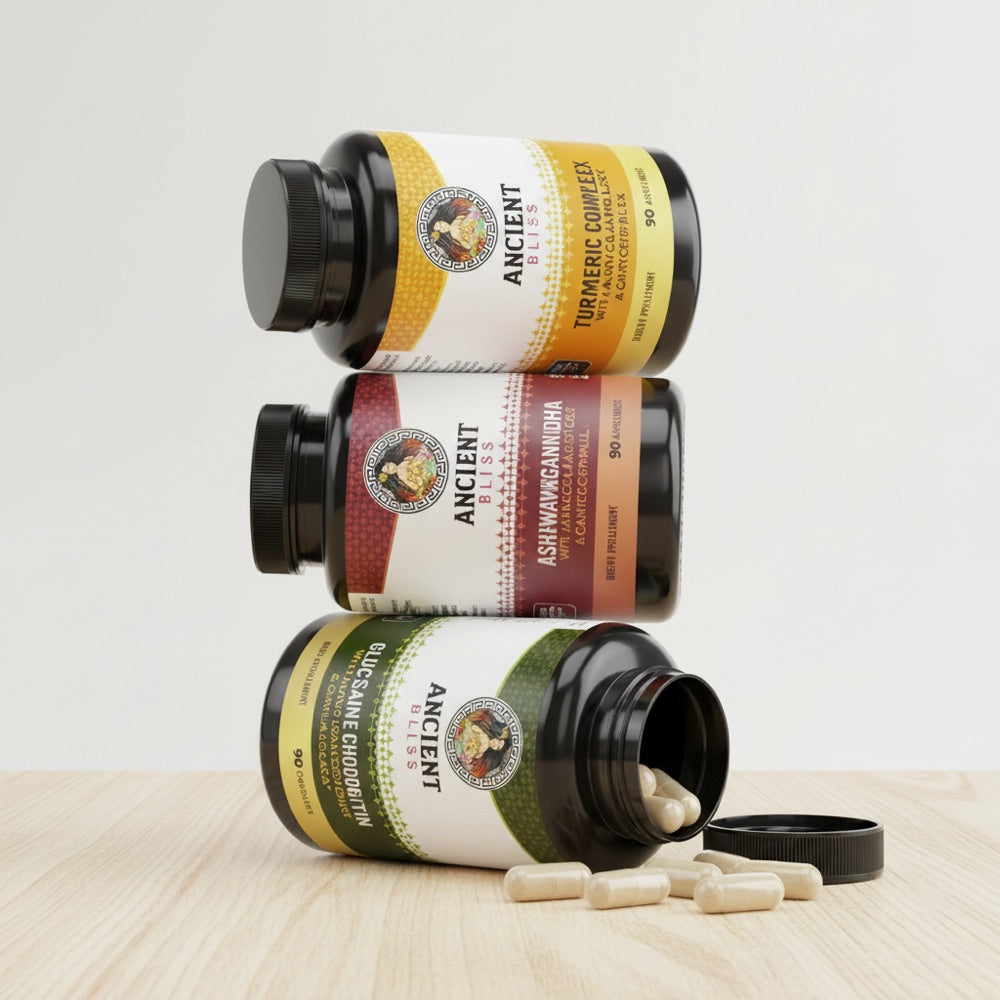
Look for a label that clearly states the amount of berberine per serving and the form used (berberine HCl is the form used in most studies), along with third-party testing for purity and no unnecessary fillers. Ancient Bliss Berberine provides 1200mg of berberine HCl per serving, plus 100mg organic Ceylon cinnamon, 100mg bitter melon and 50mg green tea extract, with directions of 2 capsules daily. Ancient Bliss products are third-party tested. It is herbalist-formulated and made in the USA.
As with any supplement, check with your healthcare provider before starting, especially if you’re pregnant, nursing, or take medication.