The best ways to support your immune system naturally are simple: eat well, sleep enough, move your body, manage stress, and fill nutrient gaps where needed. Immune system health has always been an interesting topic, especially since the coronavirus pandemic.
Quick answer: You can support your immune system naturally by eating a varied diet rich in fruits and vegetables, sleeping at least seven hours a night, getting regular moderate exercise, and managing chronic stress. Nutrients like vitamin C, vitamin D and zinc play key roles in normal immune function, and supplements can help fill gaps, but no supplement can prevent or treat illness.
Countless people seek ways to support their immunity to stay well. The only problem is, we now have access to a literal sea of information on the topic. Finding the right solutions isn’t always easy or even possible.
With that in mind, we’ve put together this post to take a brief look back at why immune health got so much attention and what natural strategies we can use to support our immunity.
Let’s dive in.
Why Immune Health Is on Everyone’s Mind: A Look Back at Covid-19
When Covid-19 first began to draw attention and generate headlines, most of us didn’t think much of it and kept going about our lives as usual. But as the virus spread from person to person, it became clear that things were different this time.
A couple of months after making the initial headlines, the Covid-19 virus led to the shutdown of businesses, schools, travel, and much more. Life as we knew it became something different.
Like many other viruses, the coronavirus is linked to symptoms, such as (1):
- Coughing
- Shortness of breath
- Fever or chills
- Fatigue
- Muscle or body aches
- Headache
The virus can also cause (1):
- New loss of smell or taste
- Stuffy or runny nose
- Sore throat
Each person deals with Covid differently. Some experience a couple of symptoms; others have to deal with many of them, and some people have no symptoms at all. In one study, about 30% of people who had recovered still reported persistent symptoms three to nine months after they first got sick (2).
If you’re sick, your doctor is the right person to guide your care. Still, like most people, you’re probably wondering how to support your body’s natural defenses day to day. Let’s explore.
What Are the Best Ways to Support Your Immune System Naturally?
1. Eat The Right Foods
A well-balanced, diverse diet is the best way to get the vitamins, minerals, and other nutrients your immune system relies on (3). Whole foods like fruits, vegetables, nuts, and seeds are a great foundation. For example, fruits and vegetables are rich in dietary fiber, which feeds a healthy gut microbiota (4). Given that a large share of the body’s immune tissue is found in the gut, nourishing it can support the body’s natural defense mechanisms (5).
Fruits and veggies are also rich in antioxidant nutrients, including vitamin C, a nutrient that plays a crucial role in immune system health (6).
2. Sleep Enough
Many people are surprised to learn that sleeping well each night is closely tied to a well-functioning immune system (7). In one study, people who slept less than six hours a night were more likely to develop a cold after being exposed to a cold virus than people who slept more than seven hours (8).
Guidelines recommend that adults get at least seven hours of sleep per night (9). If possible, try to get up to eight hours on some nights. (More on this in the huge impact of sleep on your health.)
Good ways to improve your sleep include:
- Limit caffeine and alcohol intake, especially in the evening
- Create a relaxing pre-bed routine (bath, journaling, stretching, meditation, reading, etc.)
- Invest a bit of money in a quality mattress and pillow
- Keep your room somewhat cool, completely dark, and as quiet as possible
3. Do Moderate Amounts of Exercise
Exercise is a stressor to the body, and doing too much without enough recovery can wear you down. But doing the right amount can support your body’s natural defense mechanisms.
According to some research, regular moderate exercise may help the immune system respond more effectively, including to vaccines (10).
The best part about exercise is that you can do whatever you enjoy:
- Jogging in the park
- Lifting weights
- Dancing
- Hiking
- Swimming
- Riding a bike
- Walking more during the day
4. Manage Stress Levels
Acute stress is a healthy and necessary response to an external threat. Experiencing it can sharpen your senses and improve your chances of escaping a life-threatening situation. The problem is, acute stress sometimes lingers and turns into chronic stress that keeps us in a perpetual state of alertness even if no threat is present.
Examples of chronic stress include worrying about money, working extra hard to meet deadlines, and dealing with problems at home. These and other stressors can lead to issues, such as:
- Feeling anxious
- Difficulty sleeping at night
- Irritability and mood swings
- Getting sick more frequently
Chronic stress can also suppress your immunity, making it more difficult for your body to respond to everyday challenges (11). So, learning to manage stress is essential (here’s how stress affects your physical health). Good options include:
- Setting aside time for a hobby or favorite activity
- Spending time in nature
- Meditating
- Exercising
5. Consider Some Immune Support Supplements
Before giving any recommendations, we’d like to stress an important point:
No supplement can prevent or treat Covid-19 or any other illness. Instead, we like certain nutrients because they help support normal immune function as part of a healthy lifestyle. With that in mind, let’s go over several compounds that have been studied for immune support:
Quercetin and bromelain are two other helpful compounds that have favorable effects on the immune system. For example, quercetin may help support a healthy inflammatory response and help manage oxidative stress, which supports robust immune system function (15). Bromelain also appears beneficial, as the compound has been studied for its anti-inflammatory, antioxidant, and immune-supporting properties (16). You can learn more in 6 amazing health benefits of quercetin.
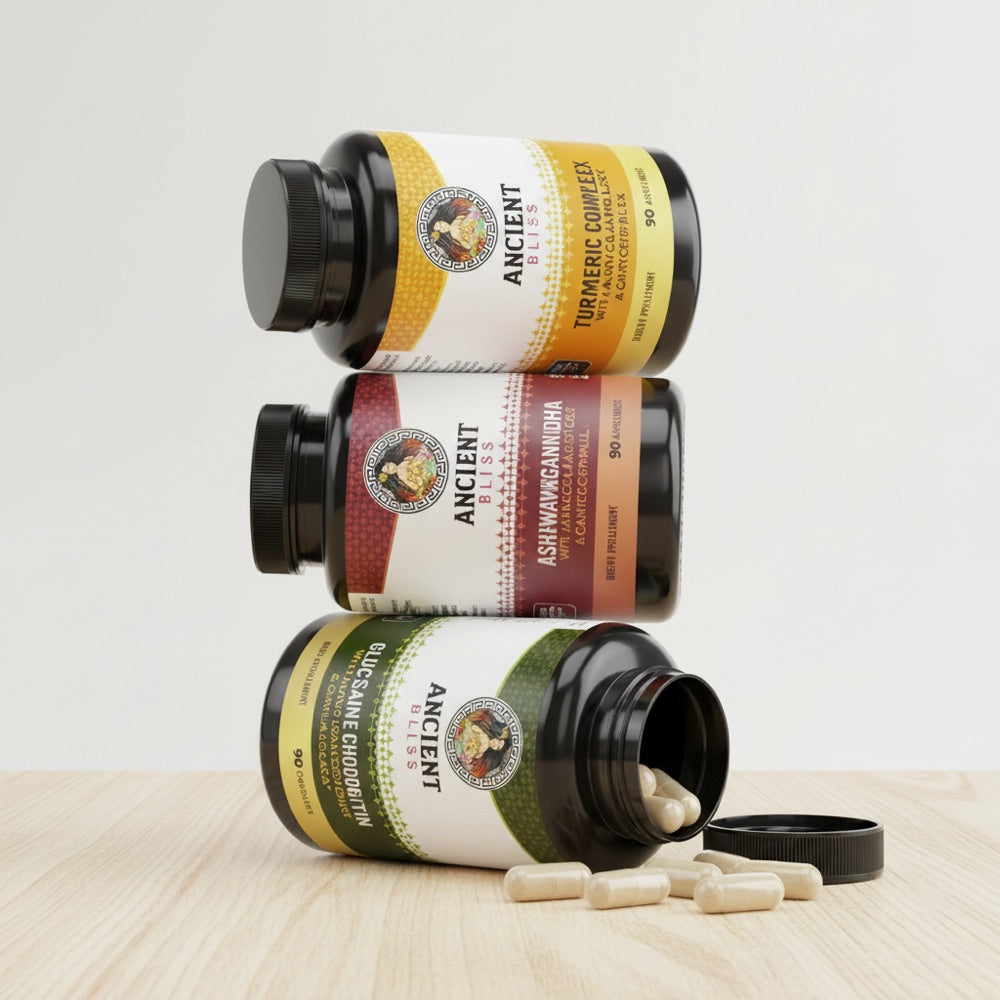
Check out Quercetin, our product that mixes both compounds into one helpful formula, or our Immune Support Bundle. Ancient Bliss products are third-party tested.
Frequently Asked Questions
What is the fastest way to boost your immune system?
There’s no quick fix for immunity. The habits that matter most, like good sleep, a varied diet, regular movement and stress management, work over weeks and months, not overnight.
What foods support the immune system?
A balanced, diverse diet with plenty of fruits, vegetables, nuts and seeds gives your body the vitamins, minerals and fiber it needs. Foods rich in vitamin C, like citrus and berries, and fiber-rich plants that feed your gut microbiota are especially helpful.
Which vitamins and minerals matter most for immunity?
Vitamin C, vitamin D and zinc are among the best-studied nutrients for normal immune function. If you think you may be low in any of them, ask your healthcare provider whether testing or a supplement makes sense for you.
Does lack of sleep weaken your immune system?
Research links sleep and immune health closely. In one study, people who slept less than six hours a night were more likely to catch a cold after exposure to a cold virus than those who slept more than seven hours.
Can stress make you sick more often?
Short bursts of stress are normal, but chronic stress can suppress immune function. Regular downtime, time outdoors, meditation and exercise are simple ways to keep stress in check.
As with any supplement, check with your healthcare provider before starting, especially if you’re pregnant, nursing, or take medication.
References
- Centers for Disease Control and Prevention. Symptoms of COVID-19.
- Logue JK, Franko NM, McCulloch DJ, et al. Sequelae in adults at 6 months after COVID-19 infection. JAMA Netw Open. 2021;4(2):e210830.
- Calder PC, Carr AC, Gombart AF, et al. Optimal nutritional status for a well-functioning immune system is an important factor to protect against viral infections. Nutrients. 2020;12(4):1181.
- Makki K, Deehan EC, Walter J, et al. The impact of dietary fiber on gut microbiota in host health and disease. Cell Host Microbe. 2018;23(6):705-715.
- Vighi G, Marcucci F, Sensi L, et al. Allergy and the gastrointestinal system. Clin Exp Immunol. 2008;153(Suppl 1):3-6.
- Carr AC, Maggini S. Vitamin C and immune function. Nutrients. 2017;9(11):1211.
- Besedovsky L, Lange T, Haack M. The sleep-immune crosstalk in health and disease. Physiol Rev. 2019;99(3):1325-1380.
- Prather AA, Janicki-Deverts D, Hall MH, et al. Behaviorally assessed sleep and susceptibility to the common cold. Sleep. 2015;38(9):1353-1359.
- Centers for Disease Control and Prevention. About sleep.
- Simpson RJ, Kunz H, Agha N, et al. Exercise and the regulation of immune functions. Prog Mol Biol Transl Sci. 2015;135:355-380.
- Dhabhar FS. Effects of stress on immune function: the good, the bad, and the beautiful. Immunol Res. 2014;58(2-3):193-210.
- Aranow C. Vitamin D and the immune system. J Investig Med. 2011;59(6):881-886.
- Prasad AS. Zinc in human health: effect of zinc on immune cells. Mol Med. 2008;14(5-6):353-357.
- Mashhadi NS, Ghiasvand R, Askari G, et al. Anti-oxidative and anti-inflammatory effects of ginger in health and physical activity: review of current evidence. Int J Prev Med. 2013;4(Suppl 1):S36-S42.
- Li Y, Yao J, Han C, et al. Quercetin, inflammation and immunity. Nutrients. 2016;8(3):167.
- Rathnavelu V, Alitheen NB, Sohila S, et al. Potential role of bromelain in clinical and therapeutic applications. Biomed Rep. 2016;5(3):283-288.