Marine collagen is collagen sourced from fish, and it’s one of the simplest ways to give your skin, hair, and joints some extra support. One of the most important and abundant compounds in the human body is collagen. Collagen is important for many body processes, but most importantly for the skin’s well-being.
Quick answer: Marine collagen is collagen protein sourced from fish, usually sold as hydrolyzed peptides that mix easily into drinks. Because your body makes less collagen as you age, many people add it to support skin, hair and joints, and research suggests collagen supplements may help skin hydration and elasticity. The evidence is still growing, so it works best as one part of a healthy routine.
Having clear, glowing skin is the desire of every human being – no matter the gender. This is because our skin is amongst the first things that people notice about us.
It is, however, unfortunate that as we grow older, the ability of the body to produce the compounds needed to maintain the integrity of the skin reduces. This, in turn, leads to wrinkles, stiff muscles, joint pains, and so on.
This is why we must invest in proper nutrition and supplements to make up for this reduction.
In this post, we will be discussing marine collagen – one of the most vital types of collagen – and why you should consider adding it to your arsenal.
Frequently Asked Questions
What’s the difference between marine collagen and bovine collagen?
Marine collagen comes from fish, while bovine collagen comes from cows. Marine collagen is mainly type I collagen, the type most abundant in skin, while bovine collagen provides types I and III. Marine collagen is also an option for people who avoid beef, such as pescatarians.
How long does marine collagen take to work?
Many studies on collagen supplements for skin run about 8 to 12 weeks, so give it at least two to three months of consistent daily use before judging results. Results vary from person to person.
Is marine collagen safe, and who should avoid it?
Collagen peptides are generally well tolerated, and reviewed studies have reported few side effects. Because marine collagen is made from fish, anyone with a fish allergy should avoid it. If you’re pregnant, nursing, or take medication, check with your healthcare provider first.
Can I put marine collagen in coffee?
Yes. Hydrolyzed collagen peptides dissolve in both hot and cold drinks, so an unflavored powder can go into coffee, smoothies or plain water without changing the taste much.
What should I look for in a marine collagen supplement?
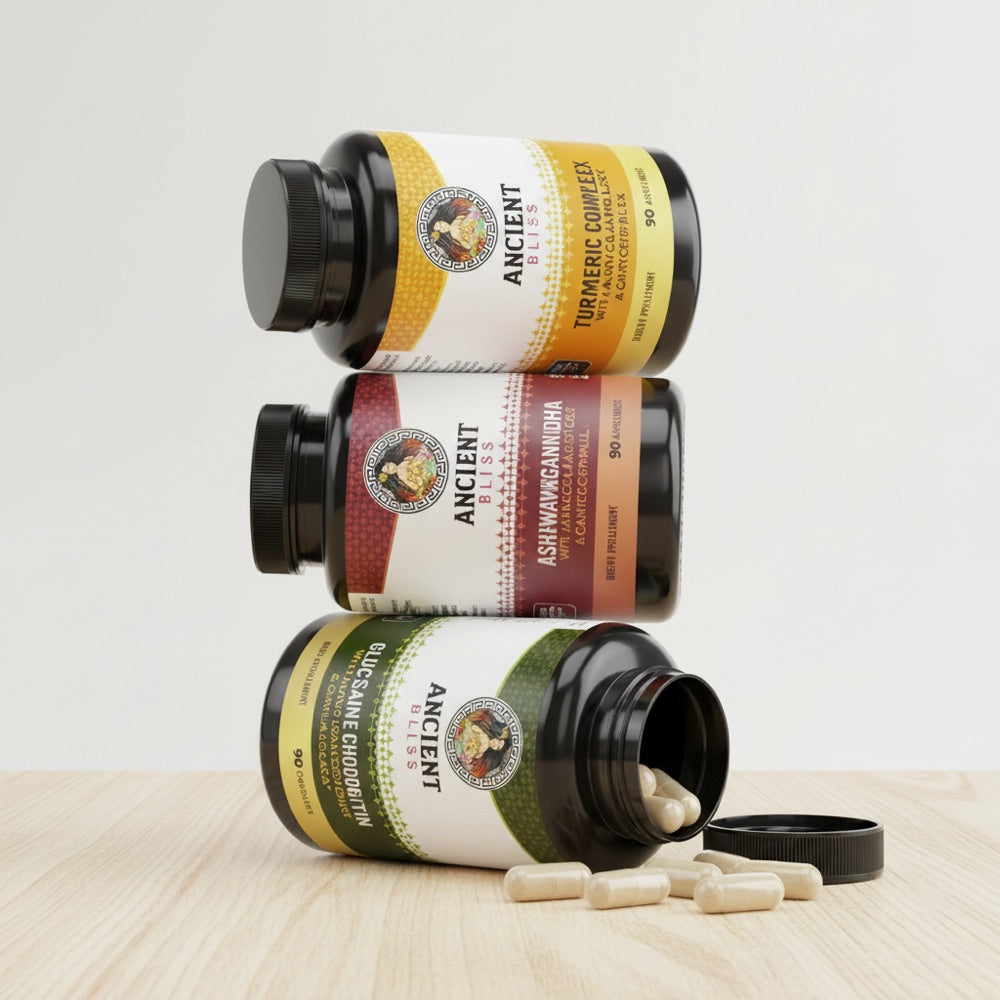
Look for hydrolyzed collagen peptides, a clearly named fish source, a stated serving size, third-party testing and no unnecessary fillers or added sugar. Ancient Bliss Marine Collagen is made from wild-caught North Atlantic cod, pollock and haddock, is unflavored, and provides 50 one-scoop servings per tub that mix into coffee, smoothies or water. Ancient Bliss products are third-party tested.
As with any supplement, check with your healthcare provider before starting, especially if you’re pregnant, nursing, or take medication.